Contrary to popular belief, Fall Landscaping is not only about raking leaves from the ground, but rather setting the stage for a thriving landscape in the seasons ahead. For HOA boards, property managers and homeowners alike, this is the perfect window to focus on maintenance tasks that protect your property’s value and aesthetic appeal. When handled properly, fall landscaping keeps things tidy and prepares the soil for winter challenges.
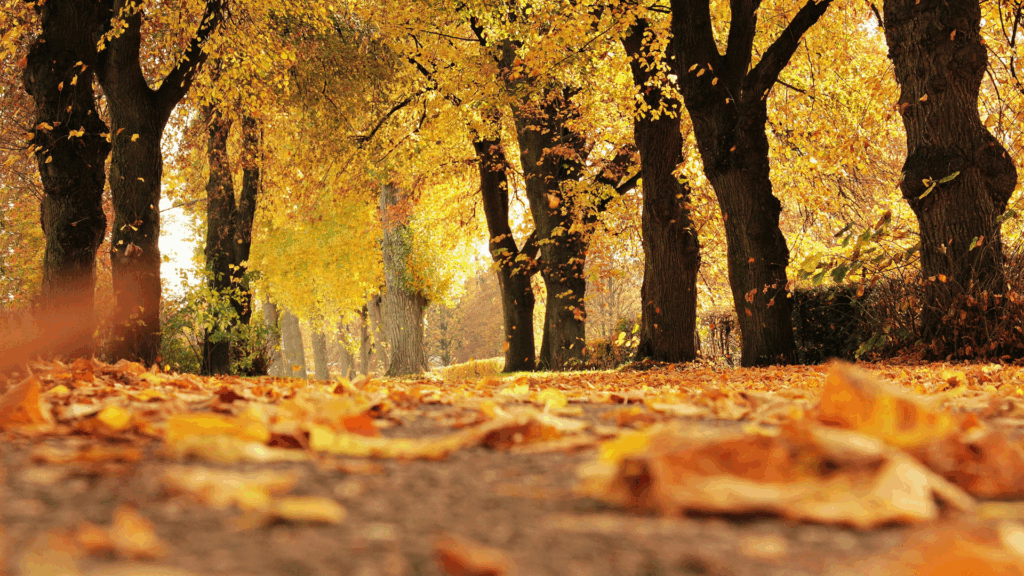
As summer fades and the air cools, your community’s lawns, plants, and trees begin a critical transition period. Beneath the surface, the soil’s moisture increases and plants focus on developing their roots rather than their above-ground parts.
During this time, your yard needs some special attention to stay healthy, lush, and ready to bloom when spring returns. In this article, we’ll share practical and actionable fall landscaping tips to help your community stay clean and beautifully colored throughout the season.
Table of Contents
Essential Fall Landscaping Tasks
1. Collect and Reuse Fallen Leaves
Most likely, this is everyone’s first thought when it comes to Fall Landscaping. The crunchy, fiery-colored leaves are beautiful, but they can quickly smother your lawn if left alone. Fallen leaves block sunlight, trap moisture, and create the perfect breeding ground for mold.
So raking and removing fallen leaves is essential. But don’t make the common mistake of tossing them out. Those leaves can still serve a purpose for your community.
Try Composting
Instead of bagging them, gather the leaves (including the ones from gutters) and add them to a compost pile. You don’t need a fancy setup — a simple chicken-wire bin will do the trick.
Once a week, turn the pile with a garden fork to introduce some air into it, and let nature take care of the rest. You can also mix in twigs, grass clippings, and vegetable scraps. By spring, you’ll have nutrient-rich compost to feed garden beds and flower borders across your property.
2. Mow the Lawn
Before the cold fully sets in, give your lawn one final trim. However, it is important to be careful and not cut it too short, as it can affect the health of your grass. The top blade of grass is where most of its food is produced; therefore, removing too much will limit the plant’s ability to store energy through winter.
Aim for balance:
- Keep grass between 2 and 2½ inches tall.
- Cutting it shorter than 2 inches weakens roots and encourages weeds.
- Letting it grow taller than 3 inches creates long blades that mat down, inviting mold.
A final mow around early fall helps prevent disease and allows fallen leaves to blow away more easily, keeping your yard clean.
👉 Pro Tip: For communities with shared lawns, schedule this final mow just before your last fertilizer treatment for the season.
3. Trim Dead or Weak Limbs
Fall is a great time to check your trees and shrubs for cracked, dead, or diseased branches. Removing these limbs before heavy winds or snow prevents property damage and accidental injuries.
Cut smaller branches close to the trunk using sharp, clean tools. For larger trees, it’s best to hire professionals to ensure safety and prevent over-pruning.
This small investment in tree care protects your community’s assets and encourages a healthier growth come spring.
4. Cut Back Perennials
Perennial plants need a little TLC before winter. After their long blooming season, many become messy, and pests love to hide in the debris.
Start by pulling out dead annuals and trimming back spent perennials close to the ground. This encourages root development and redirects the plant’s energy to where it is most needed.
Benefits of fall pruning include:
- Reducing the risk of pest infestations;
- Preventing mold and disease;
- Encouraging fuller, healthier blooms next year.
5. Aerate the Lawn
If you see some water puddling on your grass after rainfall, your soil might be compacted. Which means water and nutrients can’t reach the roots effectively. Aeration solves this by creating small holes that let air, water, and the nutrients they provide, penetrate the soil deeper.
Aerating your lawn is a simple task, and for a small yard, it can be accomplished with just a garden fork. Larger lawns, on the other hand, consider renting a walk-behind aerator or hiring a service.
If done regularly, this landscaping process can provide your HOA with a healthier and greener lawn by the next spring. It also removes wayward weeds and the layer of dead roots and debris that accumulates between the soil surface and the grass, more commonly known as thatch.
6. Feed the Lawn
Fall is the ideal season to fertilize, as plants shift energy underground, focusing on root growth rather than new leaves. A nutrient boost now helps grass survive winter and green up quickly in spring.
A simple way to feed your yard is by using a high-phosphorus (12-25-12) fertilizer mix to promote deep root development. Follow it with some light overseeding to fill in thin patches and crowd out weeds.
Once the leaves have fallen off of your trees and shrubs, give them a deep watering before shutting off exterior faucets for winter. Hydrated roots are far less likely to suffer frost damage.
👉 Pro Tip: Remember, staying organized is just as important as as getting the work done.
Neigbrs by Vinteum is the solution for you
To simplify your landscaping projects, or just your run-of-the-mill maintenance tasks, Neigbrs by Vinteum offers a Maintenance Management Tool.
This feature is designed to help you plan, assign, and track service requests; schedule cleanups; and keep residents informed of any upkeep activities. Do it all, from one place.
Ready to see it in action? Book a free Neigbrs demo and see how our platform can make your HOA operations smoother year-round.

Adding Fall Charm to Your Community
Fall is also the perfect time to level up your community’s aesthetic appeal. With just a few creative touches, you can create warm, welcoming outdoor spaces that residents and visitors love.
1. Create Cozy Outdoor Spaces
The crisp air and golden foliage make autumn perfect for outdoor gatherings. Add a few Adirondack chairs, wicker sets, or benches in communal areas where residents can relax.
A small fire pit, warm blankets, and soft lighting can also create an inviting space for residents to spend a chilly evening.
2. Add Seasonal Decor
Decorating doesn’t have to be expensive or over-the-top. A few thoughtful additions go a long way in creating an autumn-like atmosphere.
Here are some suggestions for sprucing up your community:
- Pumpkins in a mix of colors, like orange, white, and green, on porches and entryways.
- Trellises or obelisks as visual focal points in gardens.
- Solar lanterns or string lights to brighten walkways and gathering spots.
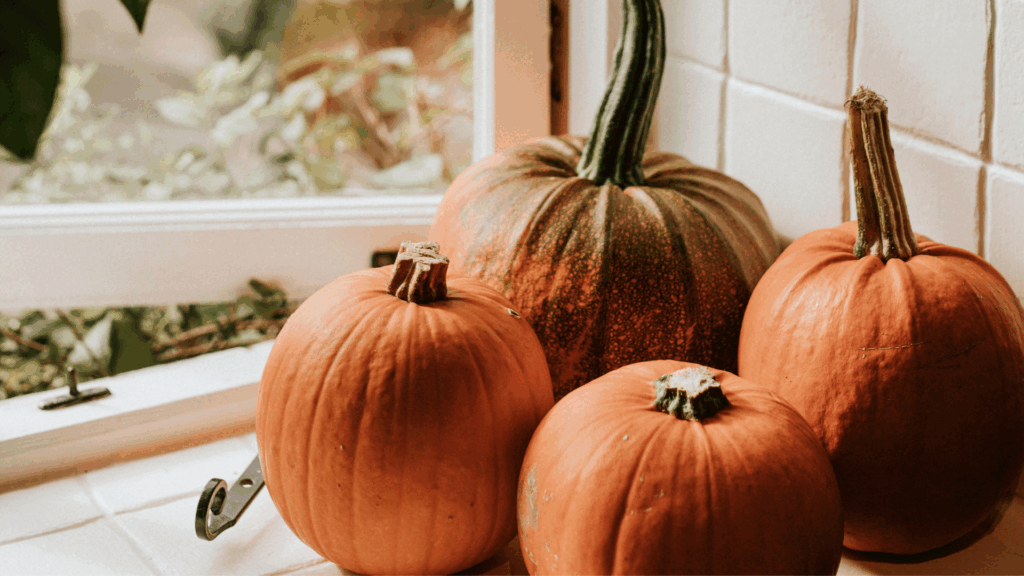
A little creativity can make your community feel cozy and bring residents together through the cooler months.
3. Invest in New Plantings
Fall’s cool temperatures and moist soil create ideal conditions for planting. New shrubs, trees, and perennials have time to establish roots before the first winter frost.
Best options for fall planting:
- Shrubs, like Boxwood, Bird’s Nest Spruce, and Hinoki Cypress, can improve your community’s air quality.
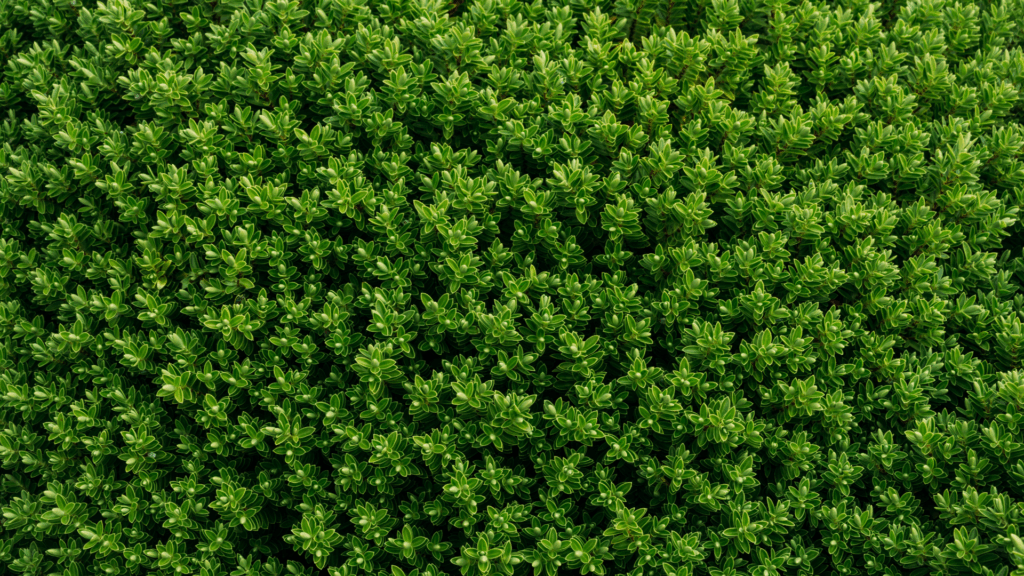
Picture of a Boxwood.
- Ornamental trees, such as Japanese Maple, Sargent Crabapple, and Weeping Cherry, will make the perfect addition to your fall landscape.
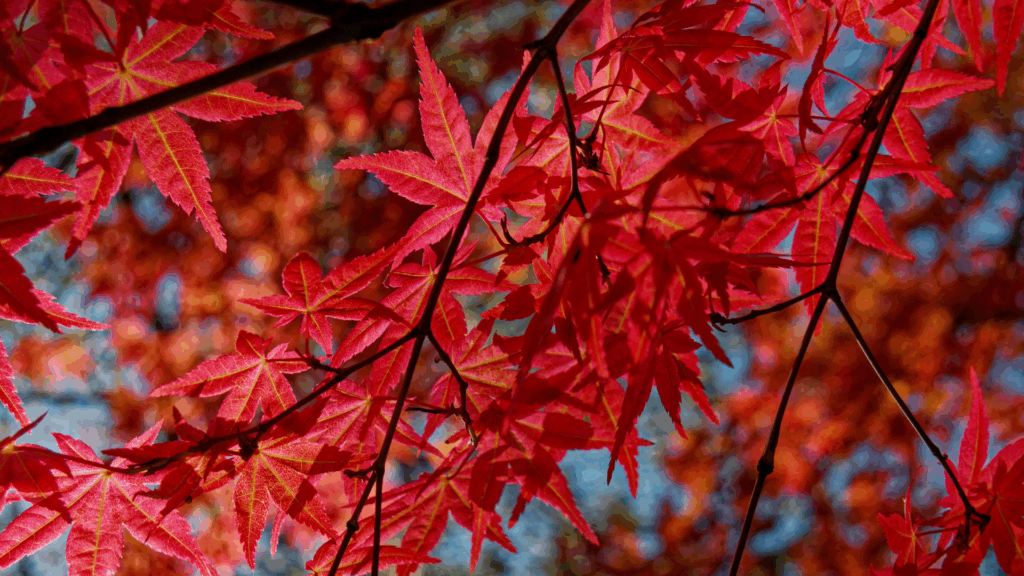
Picture of a Japanese Maple.
- Fruitful shrubs, like Firethorn, Winterberry, and Elderberry, will add color and attract birds.
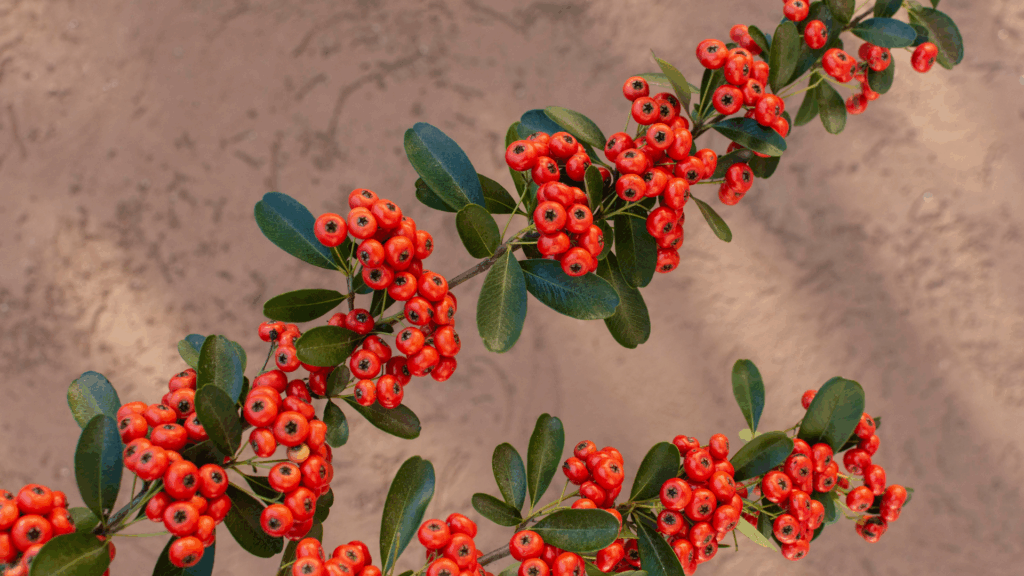
Picture of a Firethorn.
- Spring bulbs, such as Tulips, Daffodils, and Hyacinths — plant now and enjoy seeing them bloom next spring.
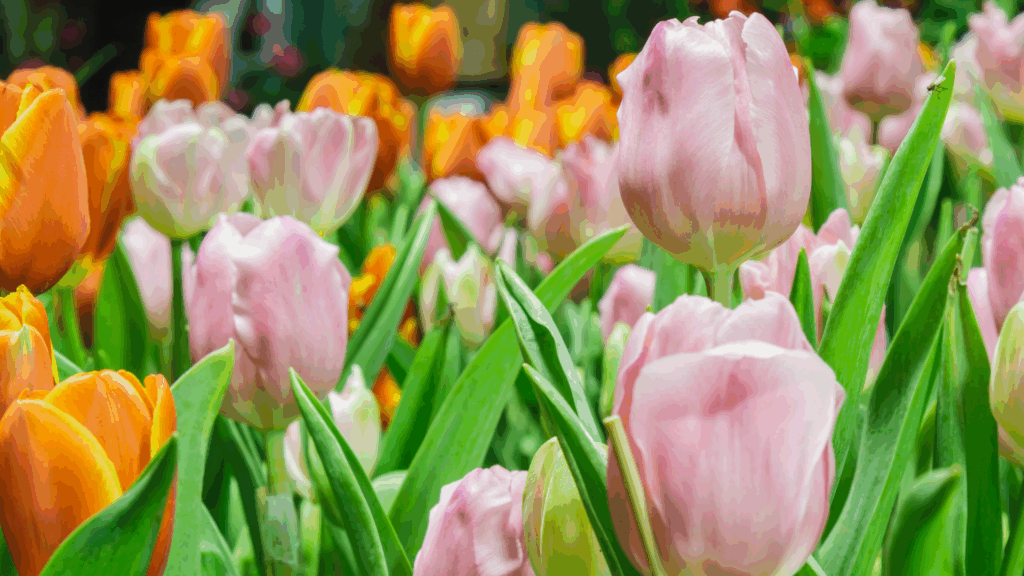
Picture of yellow and pink Tulips.
Pollinator plants, like Black-eyed Susans, Asters, and Sedums, invite bees and butterflies to your garden.
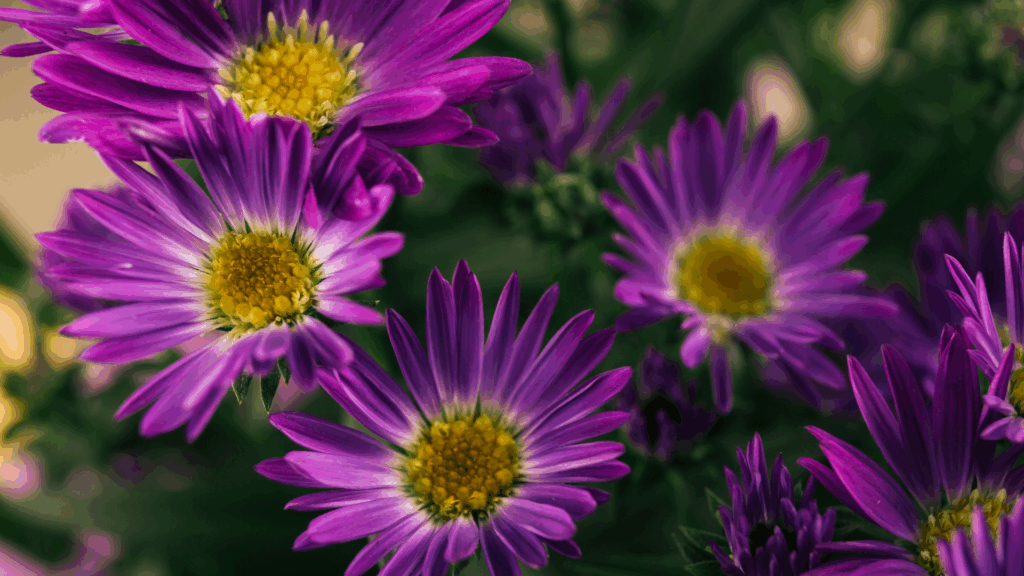
Picture of Aster Flowers (Asters).
- Container plants: Hardy succulents, such as Echeveria, mixed with Pansies or Violas, make perfect porch décor.
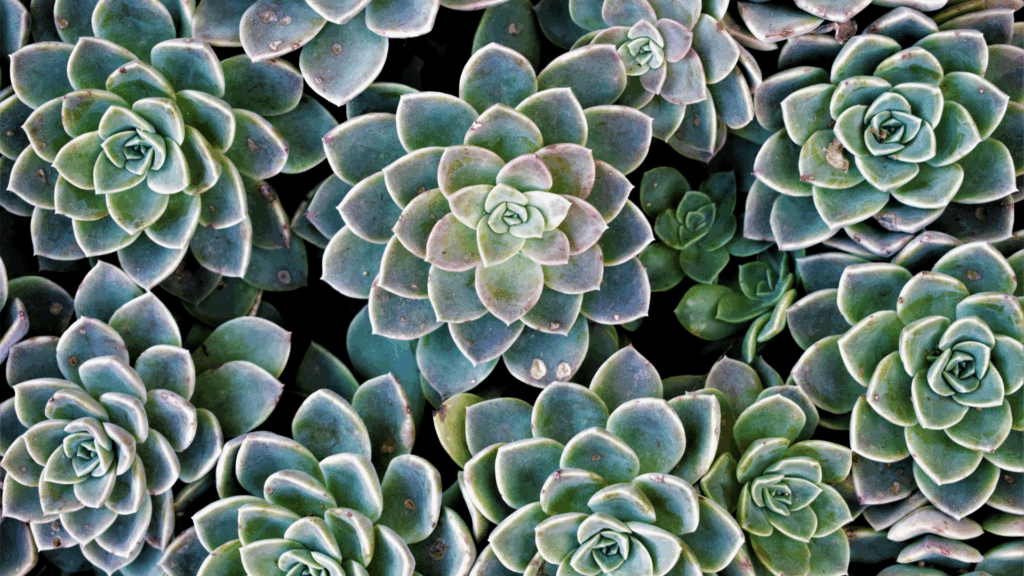
Picture of an Echeveria.
👉 Pro Tip: Check your region’s plant hardiness zone before buying, and plant at least six weeks before the ground freezes. If you have any questions, it is best to consult with a professional.
4. Plant Cool-Season Vegetables
Who says gardening stops in fall? Along with the beautiful plants mentioned in the previous topic, cool-weather crops can also thrive through the season.
Plant these in mid to late fall (during October):
- Root veggies: Carrots, turnips, and radishes.
- Greens: Kale, spinach, Swiss chard, and winter lettuce.
Make sure to plant the right vegetables, those that can withstand the winter weather, so that you can enjoy all that fresh produce next spring.
Don’t Forget These Final Fall To-Dos
As you wrap up your fall landscaping checklist, there are a few extra maintenance steps that will set your community up for success.
1. Mulch Young Plants
Once the first light frost hits, before the ground freezes, spread a 2-inch layer of mulch over newly planted areas. This acts as insulation, shielding the roots from the extreme temperature swings of winter.
Use organic materials, such as weed-free straw, wood chips, or the Compost Pile from the beginning of the article. They will decompose naturally, enriching the soil.
Just be careful not to overdo it, as too much can smother roots and attract pests.
2. Drain and Protect Irrigation Systems
Standing water in drip or sprinkler systems can freeze, causing pipes to burst during the extreme winter temperatures. So, before temperatures drop:
- Shut off the main water line to outdoor systems.
- Drain hoses and irrigation lines completely.
- For automatic systems, have a professional blow them out with compressed air.
This small preventative maintenance step prevents major repair bills come spring.
3. Clean and Store Tools Properly
After a busy season, give your tools some attention. Clean off dirt and debris, sharpen blades, and coat metal parts lightly with oil to prevent rust.
If you use gas-powered equipment, either drain the fuel or add a stabilizer before storage.
Keep everything in a dry, covered area to extend its lifespan.
Final Thoughts on Fall Landscaping
Fall landscaping may not be as flashy as spring blooms or summer greenery, but it’s the foundation for a healthy, vibrant landscape year-round.
Taking time now to rake, prune and fertilize, sets your community up for success while also saving time, money, and frustration later.
Whether you manage an HOA, a condo complex, or your own backyard, we hope these fall landscaping tips will help your property look its best while preserving long-term value.