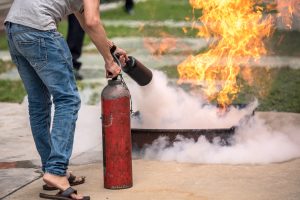

Fire Safety is an overwhelming topic for many Board Members and Property Managers. Between insurance requirements, evacuation planning, and legal liability, it’s easy to feel like the burden is heavy, and the information available to guide you is scarce.
With all that responsibility, some doubts might start to pop up: What if a kitchen fire in 4B spreads? What if our documentation isn’t up to par during the next inspection? What if we’re held personally liable?
Being organized and educated on the matter is the best way to be prepared for the unexpected. When boards take the time to understand Fire Safety procedures and build the right systems around them, they reduce risk and improve resident protection.
This guide will walk through what community leaders should do before, during, and after a fire emergency to ensure residents remain safe and associations remain protected.
What We Will Cover Today
What to Do Before a Fire Emergency: Building the Foundation
Preparation is the foundation of Fire Safety. The work done before an incident determines how smoothly a community can respond when something goes wrong.
Understanding Your Legal Liability as Management
As a board member or manager, you have a duty to act in the best interest of the association. In the event of a fire, safety is not a suggestion, but a legal mandate.
In many jurisdictions, if a fire occurs and it’s discovered that life-safety systems were overlooked, the board may face negligence claims.
One of the best ways to prove your association is up to date and compliant with inspections and emergency procedures is to keep a detailed record.
Community associations have a duty to:
- Maintain fire safety systems (alarms, sprinklers, extinguishers)
- Follow local fire codes
- Keep inspection records updated
- Provide clear evacuation procedures
With an accessible, digital home for all your important documents, your community can safely store inspection reports, fire marshal certificates, and maintenance logs in one centralized place.
Our platform, Neigbrs by Vinteum, provides unlimited document storage and ensures that even if leaderships change, the “paper trail” of your diligence remains intact.
How to Conduct a Resident-Friendly Fire Drill
Fire drills are often associated with schools and offices, but they are just as important in residential communities. Sometimes, when you schedule a drill, half the building stays inside because “it’s just a test.” To make it an effective event that everyone attends, a resident-friendly fire drill should:
- Be announced well in advance: Use your community portal to send a notice, such as: “Next Saturday, we will conduct a short Fire Safety drill to help everyone become familiar with evacuation routes. This is a routine preparedness activity designed to keep our community safe.”
- Clearly explain the purpose of the drill: Explain that the drill helps the fire department map the building’s needs. When they know the ‘’why’’ behind it, they are more likely to attend.
- Provide simple evacuation instructions: Residents who truly understand the procedures and steps they need to take are far more likely to respond calmly during a real emergency.
- Encourage participation without creating panic: Encourage residents to actually walk the secondary exit route. Most people only ever use the elevator; in a fire, they need the muscle memory of the stairs.
The Importance of Insurance and Reliable Structures
Even the best Fire Safety plans cannot eliminate every risk. That is why strong insurance coverage and reliable infrastructure are critical components of community protection.
Fire safety is as much about the “skeleton” of your building as it is about the alarms. Your insurance provider doesn’t just look at whether you have extinguishers; they look at your structural integrity and your “loss prevention” history. Are your fire doors functioning? Is the fireproofing on your load-bearing walls intact?
Boards should regularly review:
- Fire insurance coverage limits;
- Building safety systems;
- Smoke detectors and alarms;
- Sprinkler system maintenance;
- Fire extinguishers;
- Electrical infrastructure.
Many communities schedule annual safety inspections with local fire departments or licensed safety professionals to evaluate the structure, identify vulnerabilities, and provide an accurate diagnosis of potential risks before they become serious hazards.
Relying on qualified experts strengthens Fire Safety in the community while also demonstrating responsible governance and due diligence.
Fire Statistics To Put Everything In Perspective
The preparation steps above may feel extensive, but they reflect the scale of the challenge, since fires remain one of the most common emergencies faced by residential communities.
Data from the U.S. Fire Administration’s 2025 study shows that fire departments respond to a fire roughly every 23 seconds in the United States, with over 1.3 million fires, 3,670 fatalities and $23 billion in losses reported annually.
These numbers aren’t meant to scare you, but rather show that the “unexpected” is becoming more frequent, and the cost of being unprepared is higher than ever.
In multifamily properties where many residents share common spaces and systems, strong Fire Safety planning and communication procedures are essential.
As a board member or manager, your role in education and prevention is the primary line of defense against these rising trends.
What to Do During a Fire Emergency: The Heat of the Moment
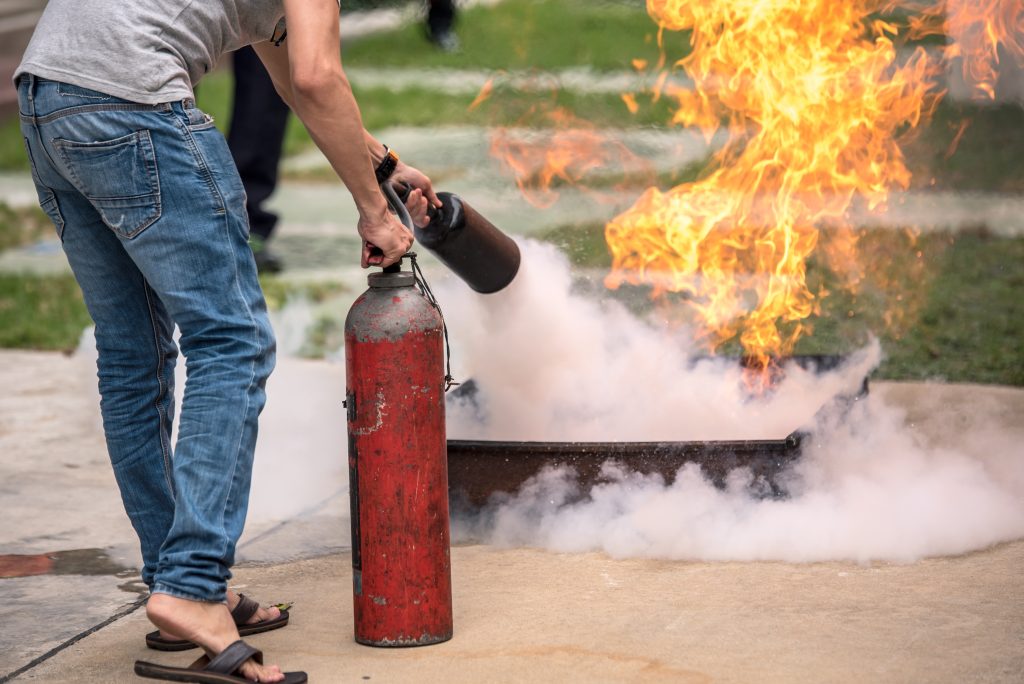
Even with the best preparation, emergencies can still happen. During a fire, the priority shifts immediately to clear communication, fast evacuation, and situational awareness.
Modern Tech for Safety and Awareness
When the alarms go off, information is the most valuable currency. Panic happens when people don’t know what’s going on. That is why technology can significantly improve a Fire Safety response.
Consider this example: A mid-sized condominium community experienced a small kitchen fire in one unit late in the evening. The fire was contained quickly, but the smoke spread through the hallway.
Because the management team had a community platform in place, they were able to send immediate alerts to residents, notify people to avoid a specific corridor and inform residents when the situation was resolved. When residents receive clear, timely instructions and real-time updates on the situation, the “fear” factor drops significantly.
Modern tools like Neigbrs by Vinteum allow boards and managers to communicate with residents instantly, ensuring everyone receives accurate information simultaneously.
With our Smart Calls and Text Messages feature, you will be able to:
- Send automated voice calls for urgent community-wide messages
- Easily text all residents with alerts and updates
- Access delivery reports to confirm they received
Strengthen communication and safety in your community with Neigbrs by Vinteum.

Safely Conducting an Evacuation
Evacuations must always prioritize order and safety. Management should ensure that hallways, stairwells, and exits are well-maintained, unobstructed at all times and with clear signage for guidance. Residents should be encouraged to follow a few core Fire Safety principles:
- Use stairs, never elevators
- Follow posted evacuation routes
- Move to designated gathering areas
- Avoid returning to units until cleared by authorities
👉 Pro-tips: Ensure your designated meeting spot is far enough away to allow fire trucks to maneuver, but close enough that people actually go there. Also, it is important to create and regularly update a list of residents with mobility issues to flag them to first responders.
What to Do After A Fire Emergency: The Road to Recovery
Once the flames are out and everyone is safe, the next phase begins: restoration.
Fire Restoration: The Do’s and Don’ts
This is where many boards and property managers feel pulled in ten directions at once. Residents want answers. Insurance carriers want documentation. Contractors start calling. And the building itself may still be unsafe.
Fire damage often includes more than visible destruction. Smoke, water damage, and structural stress can affect the building in complex ways. The emergency may feel “over,” but the risk is not.
The Dont’s of Restoration: Allow Residents to Re-Enter Unsafe Areas
Residents may assume that once visible debris is removed, the unit or common area is ready to use again. Unfortunately, smoke and soot can linger on walls, ceilings, furniture, ducts, flooring, and personal belongings.
They can stain, smell, corrode, and continue to cause damage over time if not properly addressed. As well as create health concerns, especially for older residents, children, or people with respiratory conditions.
Professional restoration teams typically follow specific techniques for smoke and soot removal, using Personal Protective Equipment (PPE) and addressing air scrubbing to protect the health of returning residents. Until they give the green light, nobody should be allowed back in.
The Dont’s of Restoration: Start Repairs Before the Documentation Is Complete
When the instinct is to “just fix it,” there is a temptation to begin cleanup or repairs immediately with whoever is available, or even attempt a sort of “DIY” (Do It Yourself) cleaning. But restoration without documentation can create serious issues later.
Before major restoration work begins, make sure you have:
- Photographed and documented all visible damage;
- Recorded affected areas and systems;
- Notified the insurance carrier;
- Confirmed the scope with qualified restoration professionals.
Proper documentation is essential not only for insurance but also for code compliance, regulatory review, and future maintenance records.
The Dont’s of Restoration: Turn On The AC
One of the most common mistakes is turning on the AC or heating to “air out” the building. This can pull soot and smoke deep into the ductwork, spreading contaminants to unaffected units. The IICRC requires a specialized assessment of the ACs before they are cleared for use.
The Do’s of Restoration: Secure the Property Immediately
After a fire, one of the first priorities in restoration is preventing further damage. That means securing the property as quickly as possible.
If windows, doors, gates, or other openings were damaged, the building may be vulnerable to weather exposure, theft, vandalism, or unauthorized access. Emergency board-up services can close these openings with durable materials while professionals assess the full scope of damage.
This step can feel secondary when emotions are high, but it is not. A board that fails to secure the property after a fire can end up dealing with avoidable secondary losses that may not be fully covered by insurance.
The Do’s of Restoration: Contact Insurance Providers and Restoration Professionals
One of the first steps after a fire incident is to notify your association’s insurance provider and begin coordinating with qualified restoration professionals. Early communication with your insurer helps ensure that the damage is properly documented, the claims process starts promptly, and the association avoids actions that could unintentionally affect coverage
The most important thing to understand is that fire restoration is a professional, standards-based process. Industry professionals often follow guidance from the Institute of Inspection, Cleaning and Restoration Certification (IICRC), an organization that sets standards for inspection, cleaning, and restoration.
Ensure your contractor specifically follows S700 standards, which provide guidelines for addressing fire and smoke damage, including toxic soot removal, structural stability assessments, and indoor air quality restoration using approved techniques.
The Do’s of Restoration: Document Everything for the Administrative Record
After a fire, appearances can be misleading. A hallway may look untouched, even though smoke has traveled through the vents. A unit may seem fine until soot residue begins corroding surfaces days later.
Under IICRC guidelines, thorough documentation (including photos of soot patterns and structural charred members) is vital for insurance compliance and your own liability protection.
A proper post-fire assessment should document:
- Structural damage;
- Smoke and soot damage;
- Water damage;
- Utility and system conditions;
- Safety hazards;
- Salvageable materials or contents.
This assessment is not just useful for restoration planning. It is also critical for insurance documentation, resident communication, and any future review of the incident’s handling.
Boards and managers should also remember that safety considerations remain active during the assessment stage. Restoration teams may need personal protective equipment, respiratory protection, and caution around unstable structures, electrical hazards, hazardous materials, and poor indoor air quality.
The Do’s of Restoration: Assess What Can be Salvaged
Furniture, appliances, electronics, records, and resident belongings may be exposed to smoke, water, or heat damage even when flames never reached them directly. Restoration professionals can help identify what can be salvaged, what should be removed for off-site treatment, and what is no longer safe to keep.
This is particularly important in common areas, management offices, and any spaces containing operational records or building equipment.
Boards should resist the urge to move or discard materials too quickly. If possible, contents should be evaluated before disposal, especially when insurance claims are involved.
The Biggest Do of All: Think Safety First, Every Time
If there is one principle boards should keep at the center of fire restoration, it is this: safety comes before speed.
Yes, residents want answers quickly. Yes, there may be pressure to reopen spaces or move the process along. But rushing restoration without the right assessment, documentation, and professional standards can create a second crisis after the first one.
Strong fire restoration is about restoring the property safely, responsibly, and in a way that protects residents long after the visible cleanup is done.
By insisting on IICRC-approved techniques, from structural drying to post-restoration evaluation, you are fulfilling your duty to protect both the residents’ health and the association’s assets.
Supporting Resident Well-Being
Fire incidents can be emotionally distressing for residents. Even if no one was hurt and physical damage is limited, the “fear” we talked about at the beginning lingers. People may experience anxiety or displacement due to the trauma caused by the fire.
Here is how you can support your community during this time:
- Use your community platform to share mental health support resources or coordinate community “recovery” meetings.
- Keep residents updated on the rebuild timeline. Silence breeds anxiety; frequent updates build trust.
- Offer temporary accommodation guidance
- Help coordinate insurance communication
- Maintain open channels for questions
Post-Incident Review: Turning a Crisis into a Safer Future
Every incident presents an opportunity to improve Fire Safety. After recovery efforts are complete, boards should conduct a post-incident review to examine what worked well and what could be improved. Was the communication effective? Did the residents remember the evacuation plan? Were the necessary documents accessible?
👉 Pro-tip: Tools like Neigbrs by Vinteum allow boards to keep all your documentation organized, accessible, and protected.
Update your emergency plan immediately based on these findings. This is the ultimate “Education is Empowerment” moment.
FAQ: Frequently Asked Questions
1. Are HOA boards legally responsible for Fire Safety?
Boards are generally responsible for maintaining common-area safety systems and complying with local fire codes. Specific responsibilities vary by state and governing documents.
2. How often should communities conduct fire drills?
Most experts recommend at least one annual drill for larger communities, though requirements may vary by jurisdiction.
3. What fire safety systems should every building have?
Typical systems include fire alarms, sprinklers, extinguishers, smoke detectors, and emergency lighting.
4. How often should we update our fire safety plan?
At least once a year, or whenever there is a significant change in building occupancy or local legislation.
5. What should residents do first during a fire emergency?
Residents should evacuate immediately using designated routes and follow instructions from emergency personnel.
6. How can communities support residents after a fire?
Providing clear communication, coordinating restoration updates, and helping residents navigate insurance processes can ease recovery.
7. How often should fire safety systems be inspected?
Many jurisdictions require annual inspections, though local laws may specify different intervals.
Final Thoughts: Preparation Creates Peace of Mind
Fire safety will always be a serious responsibility, but it doesn’t have to be a source of constant anxiety.
By focusing on education, leveraging modern tools and maintaining a “human-first” approach to communication, you help to create a safer space for your community.
You’ve taken the first step today by getting educated. Now, let’s make sure you have the tools to put that knowledge into action.
Ready to see how Neigbrs by Vinteum can streamline your communication and document storage?

Important Disclaimer
This article is intended for educational purposes only and does not constitute legal or safety advice. Fire Safety regulations and building codes vary significantly by jurisdiction. Community associations should consult their local fire departments, state officials and legal advisors to ensure they are in compliance with the laws specific to their area.