
For property managers and HOA board members, the arrival of spring can feel like the starting gun for a very long to-do list. When the snow melts and the first green shoots begin to appear, small issues that were hidden all winter suddenly appear everywhere. You’re likely looking at cracked pavement, clogged gutters, and irrigation problems.
It’s easy to feel overwhelmed by the sheer amount there is to do for the warmer months ahead. But communities that take time to properly plan Spring Maintenance often avoid the costly mid-summer repairs that can disrupt budgets and frustrate residents.
Even more importantly, a well-maintained property shows residents that their board and management team care about property values, aesthetics, and long-term community health.
Let’s walk through how to plan and execute your Spring Maintenance in a way that feels organized and actually doable.
What We Will Cover Today
The Importance of Proactive Planning
After months of winter weather, buildings and common areas experience hidden wear and tear. Freezing temperatures, moisture and reduced maintenance activity can all contribute to damage that may not be visible until spring arrives.
If these issues go unnoticed, they often turn into expensive emergency repairs during the summer months. Proactive maintenance keeps your reserve fund healthy and, more importantly, keeps your phone from ringing with frantic complaints later. For example:
- Small roof damage can become a major leak after heavy spring rain;
- Clogged drainage systems can lead to flooding;
- Cracked pavement can deteriorate quickly once temperatures rise;
- Irrigation systems may fail after winter freezing.
Spring Maintenance allows communities to identify and address these issues early on, before they become summer emergencies. In many ways, it is not just about fixing things, but also about demonstrating responsible leadership.
Conduct a Post-Winter Property Walkthrough
Before creating a maintenance plan, the first step is to understand the property’s current condition.
A post-winter walkthrough allows property managers and board members to identify areas that require attention before the busy summer season begins. During this walkthrough, pay close attention to:
Roofs and Gutters
Winter storms can loosen shingles, clog gutters with debris, or cause ice-related damage. Check for signs of leaks, blockages, or sagging.
Pavement and Walkways
Freeze-thaw cycles often cause cracks in asphalt and concrete. Early repairs can prevent larger structural damage.
Landscaping Areas
Look for damaged trees, dead plants, or soil erosion caused by winter weather.
Exterior Structures
Inspect decks, fences, playground equipment, lighting fixtures, and signage for wear or instability.
Drainage Systems
Ensure that storm drains, catch basins, and swales are clear and functioning properly. Identifying these issues now prevents mold and structural damage.
Taking photos and documenting findings during the walkthrough can help prioritize repairs and track issues over time. The goal is not to fix everything immediately, but to build a clear picture of what needs attention first.
Create a Spring Maintenance Checklist
Once the walkthrough is complete, the next step is turning observations into an actionable checklist. To help you get organized, here is a practical list of some common tasks to prioritize during this spring:
Landscaping and Grounds
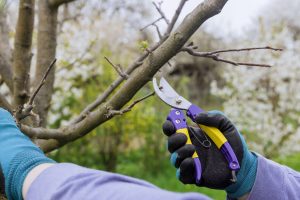
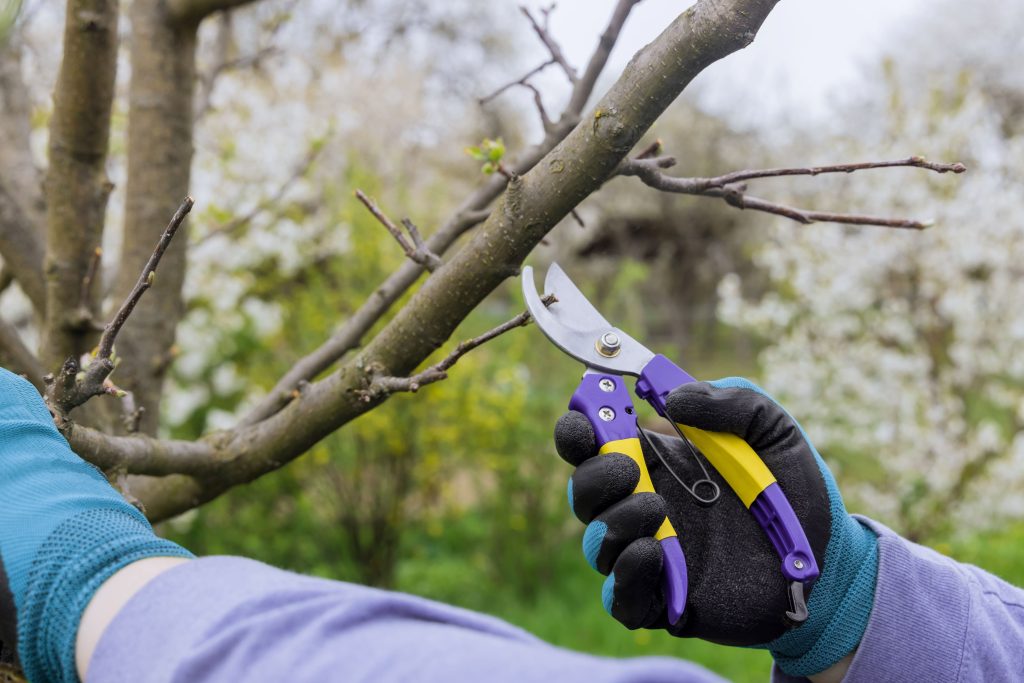
- Prune trees and shrubs
- Remove winter debris
- Fertilize lawns
- Prepare flower beds
- Inspect irrigation systems
Exterior Building Maintenance
- Power wash sidewalks and exterior surfaces to remove the salt and grime
- Inspect roofs and gutters
- Clean exterior windows
- Check siding and paint condition
Safety Systems
- Inspect outdoor lighting
- Check fire safety equipment
- Ensure emergency signage is visible
Amenities and Common Areas
- Inspect playground equipment
- Prepare pools for opening
- Repair benches, tables, or shared outdoor furniture
- Clean community gathering areas
Community Infrastructure
- Seal pavement cracks
- Inspect drainage systems
- Check fences and gates
Breaking tasks into manageable categories makes Spring Maintenance feel far less overwhelming. Instead of trying to handle everything at once, boards can prioritize repairs based on urgency, safety, and budget availability.
Embrace Digital Maintenance Tracking
One of the biggest challenges during Spring Maintenance is keeping track of everything. If you feel overwhelmed, it’s usually not because of the work itself, but more about managing five different vendors via email threads and keeping “to-do” lists on various yellow legal pads.
Documents, invoices, inspection notes, and photos can quickly become scattered across emails, spreadsheets, or paper folders.
This is where digital maintenance tracking becomes extremely valuable.
Platforms like Neigbrs by Vinteum can help you centralize Spring Maintenance Planning, taking the weight off your shoulders. You can track every maintenance request and vendor interaction in a single place.
With a community management platform, managers can:
- Assign and track maintenance tasks in one place;
- Store vendor contracts and inspection reports;
- Monitor maintenance requests submitted by residents;
- Maintain a clear history of repairs and upgrades;
- Post updates so residents see the work being done.
Digital tools like Neigbrs by Vinteum can reduce stress and make the maintenance process more transparent and organized, helping to ensure that all your community maintenance tasks are completed efficiently.

Frequently Asked Questions on Spring Maintenance (FAQ)
1. What is Spring Maintenance for HOAs?
Spring Maintenance refers to the inspections, repairs, and landscaping preparation communities perform after winter to ensure buildings and common areas remain safe and well-maintained.
2. Is Spring Maintenance important?
Yes. It helps identify winter damage early and prevents expensive emergency repairs later in the summer.
3. When does Spring Maintenance start?
Most communities begin inspections as soon as winter weather ends and temperatures stabilize.
4. What should be in a Spring Maintenance checklist?
Typical tasks include landscaping cleanup, roof inspections, gutter cleaning, irrigation checks, pavement repairs, and preparing outdoor amenities.
5. How to conduct repairs with a tight budget?
Always prioritize safety and structural integrity first. A cracked pool deck or a loose handrail is a “must-fix” due to legal liability. Aesthetics, like flower bed colors, can be scaled back if necessary, but never compromise on the items that keep residents safe.
6. When to hire a landscaper for spring prep?
Ideally, you should have your contract signed by late February or early March. If you wait until the first 70-degree day, the best vendors will already be booked solid.
7. Do we notify residents about spring maintenance?
Yes. Use your community portal or email blasts to let them know when power washing or roof inspections will happen. It prevents surprises (such as loud noises or workers near windows) and shows them that their dues are being used to improve the property.
Wrapping Up On Spring Maintenance Planning
Spring Maintenance is a recurring responsibility for board members and property managers. But it is also an opportunity to build confidence and trust within community relationships.
When residents see landscaping improving, repairs being handled quickly, and common areas being prepared for warmer months, they feel confident that their community is being cared for by management.
This trust leads to fewer complaints, stronger community engagement, and a more positive living environment.
By conducting regular inspections, maintaining clear checklists, and using digital tools to track maintenance tasks, boards can turn Spring Maintenance into a smooth, predictable process rather than a stressful scramble.
If your community is looking for a better way to organize maintenance, documentation, and communication, consider exploring Neigbrs by Vinteum.
Schedule a demo today to see how the platform can help your management team keep the community running smoothly year-round.