
A condo inspection helps you assess the current condition of a condominium building and its units. It is essential to ensure safety, save costs and identify potential issues.
This article goes through the benefits of conducting regular inspections, tools that help you perform them, and new key legislation for condo associations.
General information about condo inspections
First, you should know that there are two types of inspections in condominiums.
Interior only condo inspection, which usually includes:
- Doors, windows, floors, and walls in the unit
- Kitchen and bathrooms
- Water heater, water flow, and drainage
- Electrical & HVAC systems
- Smoke alarms
- Check for signs of damage and unusual smells
Full inspections which include all of the above and:
- Common areas
- Common elements
- Roofing
- Parking space
- Attics
Prospective buyers usually ask for an interior-only condo inspection before they purchase a unit. However, experts recommend doing a full one. In condo associations, each unit owner also owns a share of the common elements, so it is important to be aware of the condition of the overall property.
The condo board is in charge of making sure that common areas are inspected and well maintained. They usually hire a certified home inspector to do this process. In addition, the condo board can also conduct less formal and more frequent assessments. They can check the property now and then and report any issues.
The board needs to hire different kinds of professionals for specific inspections. To check the structural condition of a building, you should hire a licensed engineer or architect. Whereas, if your condo has trees and plants, you need the service of condo landscaping experts.
Simplify inspection coordination with Neigbrs’ Maintenance Management tools. Track your scheduled recurring inspections and track progress in real time. All inspection reports, photos, and contractor notes are stored securely in Neigbrs’ Document Hub, ensuring easy access for boards and compliance audits.
Frequent condo inspections help save costs & maintain property value
Preventive maintenance involves frequently checking and fixing common elements in your condo to prevent unplanned repairs in the future. It’s a proactive way of dealing with maintenance activities in a condominium. Being preventive rather than reactive has a lot of benefits.
- Saving a lot of money
- Minimizing the risk of hazards
- Offering unit owners pleasant common areas
Doing inspections can be considered preventive maintenance. By checking common areas frequently, you can spot any issues that require attention before they become bigger problems. It also helps you with your asset management. A condo inspection is an excellent opportunity to keep track of the useful life of your condo’s components. It helps the board to prepare financially for future replacements or large maintenance projects.
“Every dollar you spend on preventative maintenance, you could pay up to 4 dollars for corrective maintenance,” Ricardo Moncada, Chief Consultant at RMS
Last but not least, preventive maintenance helps you maintain your property value. It also enhances curb appeal (attractiveness of your property’s outside area). When you have high curb appeal, current residents are happy about where they live, and you attract prospective buyers.
Preventing hazards and damages by inspecting your condo regularly
Natural disasters can be more common depending on the state or region the property is located. For instance, condos in Florida need to prepare themselves every year for hurricane season. Whereas in California, they should watch out for potential wildfires.
Inspecting your condo is a way to prepare for any disaster. By doing so, you can identify any aspect that could pose a threat in case of a disaster.
Documenting the condition of the building and taking pictures can also serve as proof for insurance companies or disaster relief funds. You sometimes need to show evidence that this occurrence caused the damage.
It is also important to do a thorough inspection after the event happens.
Some damages aren’t immediately apparent. Natural disasters sometimes leave behind unseen impairments that can worsen over time and increase the risk of hazards.
Condo Law on inspection – ensuring compliance at all times
New legislation are sometimes enacted in response to tragic events. The 2015 deck collapse in Berkeley led to the California Senate Bill 326 (SB326), which requires inspection of all Exterior Elevated Elements of common interest communities prior to January 1, 2025 and every nine years thereafter.
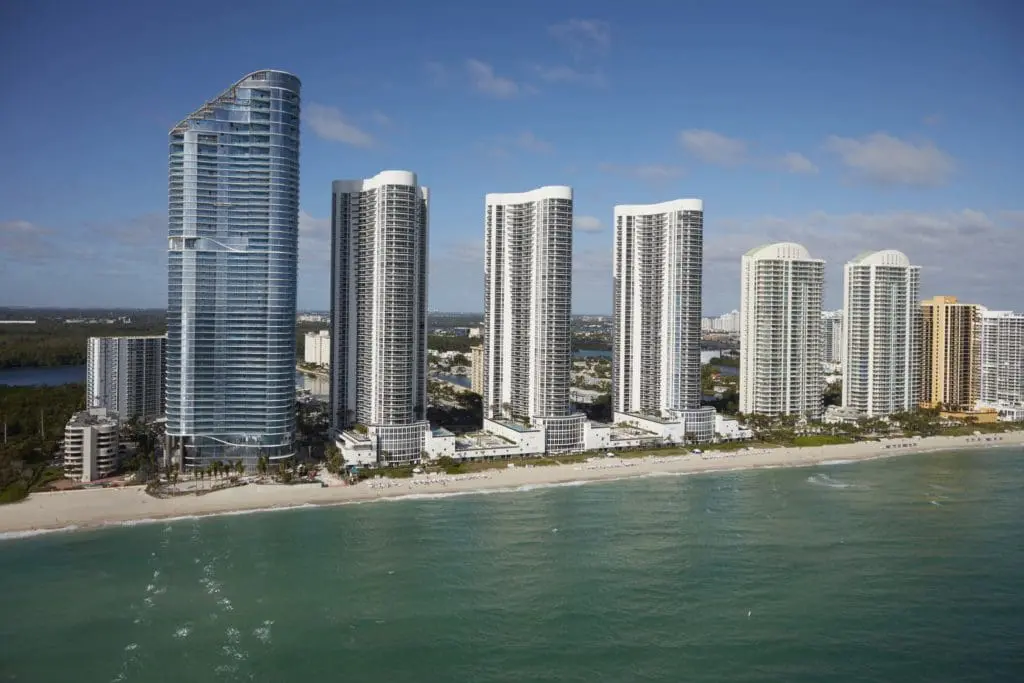
Following the tragic 2021 condominium collapse in Surfside, Florida passed a bill requiring stricter condominium inspections.
a. A Milestone Inspection must be performed by December 31st of the year the building reaches 30 years of age, based on the issue date of the building’s certificate of occupancy, and every ten years after that.
b. Buildings within 3 miles of the coastline must perform a milestone inspection by December 31st of the year they reach 25 years and every ten years after that.
A regular condo inspection is an essential maintenance practice, but when it comes to the structural components of the building, the government usually requires mandatory inspections to ensure citizens’ safety. Each state has different legislation. So it’s important to keep up with your state’s laws and comply with them.
Working efficiently using property inspection software
An inspection process involves several stakeholders. Using technology can facilitate collaboration between these different parties. Nowadays, you can find various online solutions that help you manage this process more efficiently and transparently.
A good example is property inspection software, which helps you capture property conditions, store files, and issue instant reports. You can also assign tasks and responsibilities to different individuals and track them.
Here is what you can do with such a tool:
- Use personalizable inspection templates
- Track inspections and assignments
- Convert voice recording to text
- Store pictures, files, and other data
- Collect signatures
- Issue reports instantly and keeps records
- Access the portal on the go via mobile and tablet
Using technology helps you streamline your condo inspection process. It saves everyone a lot of time. It also makes property managers, owners, and board members more accountable.
Frequently Asked Questions
What happens during a condo inspection?
A condo inspection evaluates the interior of your specific unit. The inspector checks the electrical panels, plumbing fixtures, heating systems, and appliances. They look for safety hazards and code violations. We often see buyers skip this step because they assume the association covers everything. That is a dangerous mistake. You are still responsible for the walls inward. A thorough inspection protects you from hidden repair bills after closing.
Who pays for a condo inspection?
The person buying the condo always pays for the inspection. You hire the inspector directly to work for you. The current owner does not cover this cost. The condo association does not pay for it either. Expect to spend between three hundred and five hundred dollars. Home inspectors tell us this small upfront cost saves buyers thousands in the long run. You get a clear picture of what you are actually buying.
Do you really need an inspection for a condo?
Yes, you absolutely need an inspection before buying a condo. Many buyers think the homeowners association maintains the entire property. The association only maintains the exterior and shared spaces. You are financially responsible for everything inside your unit. We have seen new owners face massive plumbing bills just weeks after moving in. An inspection catches these hidden problems early. You can then ask the seller to make repairs before finalizing the sale.
What does a condo inspector check?
The inspector focuses on the systems inside your unit. They test the air conditioning and heating units. They check water pressure and look for pipe leaks under sinks. They also test all electrical outlets and major appliances. Inspectors do not evaluate the building roof, shared elevators, or exterior siding. The association handles those common areas. You should ask your property manager for the most recent reserve study to understand the building’s overall health.
How long does a condo inspection take?
A standard condo inspection takes about two hours to complete. The exact time depends on the size and age of your unit. Larger units with older systems take longer to evaluate. You should always attend the inspection in person. This gives you a chance to ask questions and see potential problems firsthand. Real estate agents tell us that buyers who attend feel much more confident about their purchase. You will receive the written report a few days later.
Wrapping up on condo inspections
Keep in mind that a property that is uncared for makes it harder to sell units and keep its residents living there long term. So, performing regular condo inspections are essential for the well-being and satisfaction of residents.It’s also the best practice to save money on maintenance. Make sure to be compliant and to work efficiently with the tools you have at your disposal.