

People often complain about HOAs, yet the number of residents living in them continues to climb. In the 1970s, about 2.1 million people lived in these communities. Today, that number has jumped to 70 million according to the Community Associations Institute (CAI). This massive shift explains why so many people search for “what do HOA fees pay for” or “what does HOA stand for.” We want to help you understand what an HOA actually does, how it manages your money, and why these organizations exist.
Basic Definitions
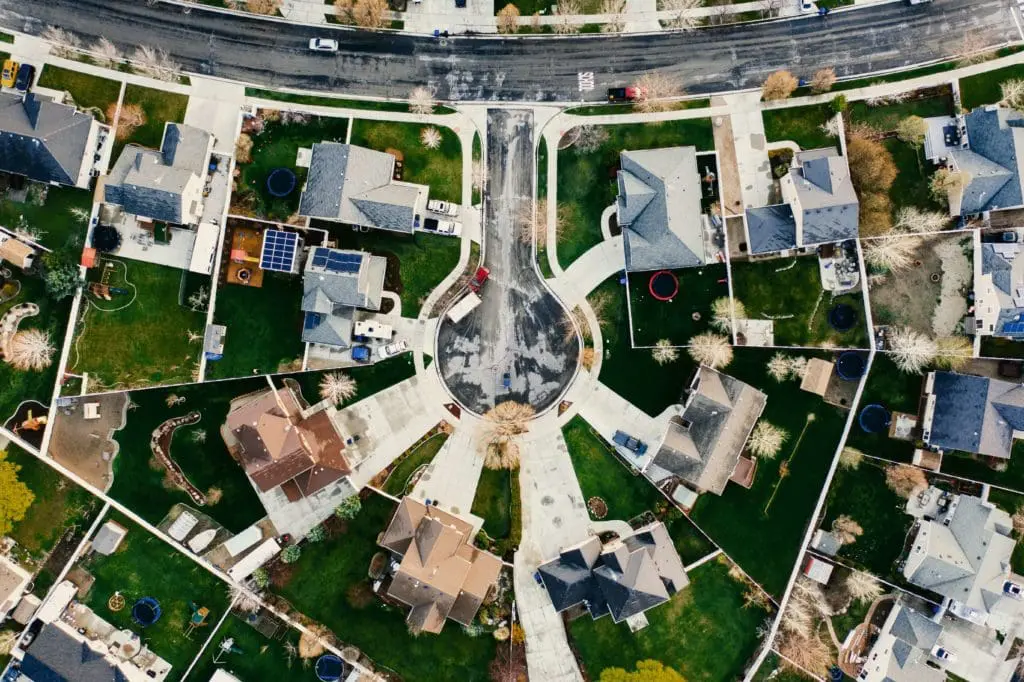
An HOA, or Homeowners Association, is a legal entity created to manage a residential community. In a typical HOA, you own your specific house and the land it sits on. The association owns and manages common areas, such as parks and sidewalks, usually through a board of directors or a property manager. This differs slightly from a condo. In a condo, owners have joint ownership of the common areas rather than the association owning them outright.
Who Runs the Show?
The HOA is led by a board of directors made up of volunteers from the neighborhood. They often hire a property management company to handle the heavy lifting. The manager collects dues, coordinates repairs, and sends out official notices.
The Set of Rules (CC&Rs)
What an HOA “does” is largely defined by its governing documents, often called Covenants, Conditions, and Restrictions (CC&Rs). These rules ensure the community stays uniform and well-kept. They might cover:
- How many cars you can park in your driveway;
- What colors you can paint your front door;
- How long your grass can grow before it needs a trim;
- Whether you can display certain signs in your yard.
By enforcing rules and maintaining amenities, the association keeps property values high. You don’t have to worry about a neighbor letting their home fall into total disrepair or someone drawing graffiti all over the playground. This consistency makes the neighborhood more attractive to future buyers.
HOA vs. POA: What is the Difference?
You might hear the terms HOA and POA used interchangeably; however, they serve different purposes. A Homeowners Association focuses on residential property values and neighborhood rules. A Property Owners Association often covers a larger geographic area. POAs can include both residential and commercial properties. They focus on broader community development rather than specific architectural rules.
Where Your Money Goes
So what about all the money that HOAs and condos receive? What does it do? HOA fees are the lifeblood of the community. Most of this money goes directly toward maintaining the shared spaces you see every day. If your neighborhood has a pool, the fees pay for chemicals, cleaning, and lifeguards. Roads need to be resurfaced, cleaned, and paved; the entry gate needs to open and close smoothly. All these things add up.
If the HOA has a property manager, who is instrumental in keeping everything running smoothly, then they need to be paid. If your community has management software, like Neigbrs by Vinteum, then they pay the software company. An association requires fees to keep everything going.
Managing Future Costs
A big part of what an HOA does with its finances happens behind the scenes, in a “reserve fund.” This is a savings account for major, long-term projects or big emergency repairs. Think about replacing a clubhouse roof or repairing a road after a major storm. By saving a small portion of your fees every month, the HOA avoids hitting you with a massive, unexpected bill when something breaks.
Enjoying the Benefits
Beyond maintenance, HOAs foster a sense of belonging. Your board might organize activities to turn a group of houses into a real neighborhood, such as holiday events, block parties, or garage sales. We’ve seen that communities with active social calendars tend to have fewer disputes because neighbors actually know and care for each other.
Another aspect you get to enjoy when moving into a community is all the nice amenities. For example, you can have a beautiful outdoor pool or a big tennis court at your disposal. As well as perfect grounds and smooth roads, all of which increase the value of your property.
Common Drawbacks
For all the benefits that HOAs and condos bring, no system is perfect. Occasionally, fees may feel higher than the value you receive. If a community is poorly managed, you might face “special assessments,” which are extra charges for emergency repairs.
While the board serves as a mediator for noise complaints or boundary issues, the enforcement process itself can sometimes create tension between neighbors. When it comes to the community rules, some residents feel restricted by being told what they can do with their property.
Frequently Asked Questions (FAQ)
What does an HOA do?
An HOA, or Homeowners Association, is a legal entity created to manage a residential community.
What happens if I don’t pay my HOA fees?
If you stop paying, the association will first send late notices and likely add interest or late fees to your balance. If the debt continues, the HOA has the legal power to place a lien on your property. In extreme cases, this can lead to foreclosure, even if you are up to date on your mortgage. We always suggest talking to your board early if you hit financial trouble.
Can the HOA tell me what I can do inside my house?
Generally, no. Most HOA rules focus on the exterior of the home and the “curb appeal” of the neighborhood. However, some associations have rules about flooring types in upstairs units (to prevent noise) or prohibit running a high-traffic business out of a garage. Always check your specific CC&Rs to see where the boundaries are.
How are HOA fees increased?
The board of directors reviews the community’s expenses and reserve fund needs every year. If the costs of things like insurance, water, or labor go up, your fees usually follow suit. Most governing documents put a “cap” on how much a board can raise fees in a single year without a vote from the entire membership.
Can I appeal a fine from my HOA?
Yes. Most associations have a formal process for contesting a violation notice. You are usually entitled to a hearing before the board to explain your side of the story.
What is the difference between an HOA and a Property Manager?
The property manager is a professional person or company hired by the board to handle the day-to-day work. Think of the board as the “boss” and the manager as the “employee” who carries out the board’s decisions and manages the vendors.
Is HOA Living Right for You?
Living in an HOA means trading a bit of individual control for shared benefits. You get access to amenities you might not be able to afford on your own, like a private pool or gym. You also get the peace of mind that comes with professional landscaping and snow removal. For many, the high property value and “locked-in” neighborhood quality are well worth the monthly fee. HOAs do a lot for residents, and the drawbacks are often outweighed by the benefits.
Next Steps for Your Board
Running an association takes time and organization. Board members volunteer their hours of the week to keep the community running and technology makes this job much easier. Neigbrs by Vinteum centralizes your communication, maintenance requests, and resident records.
Schedule a free demo today to see how we help boards save time!