

All votes in your association are important, but you can’t always be there, that’s why HOA proxy votes matter. While voting is an important privilege and responsibility, and homeowners can influence the future of their neighborhoods, voting isn’t always convenient.
A proxy vote can bridge the gap for a member who can’t physically attend a meeting to cast a vote for the absent member. Since there are pros and cons with proxies, HOA, and COA managers should become familiar with proxy voting. Here are five things managers need to know about HOA proxy votes.
What is an HOA Proxy?
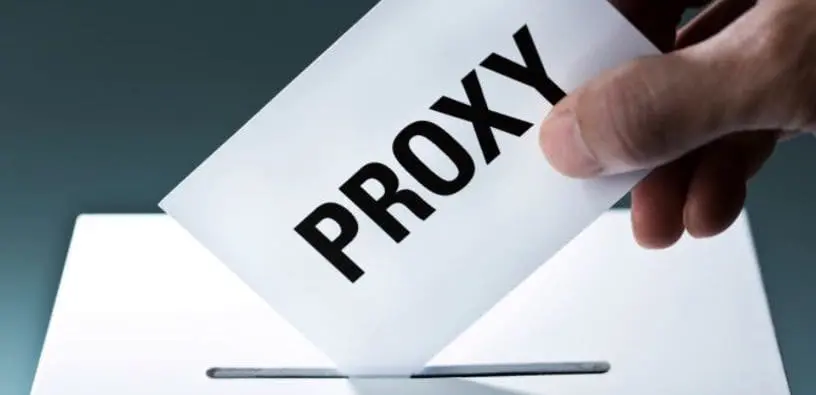
A proxy is a document that allows the owner of a unit or lot to appoint someone else (a proxy) to vote for them. Normally the proxy should be an owner, but it could be their partner or tenant in some cases. To be certain who can be nominated, check the community’s by-laws. Normally proxy forms include the date of the meeting so that the proxy can’t keep voting for them indefinitely.
HOA Proxy Votes & Quorum
Proxies are most often used to establish a quorum. Boards often rely upon the collection of proxies to fulfill the quorum requirement at the annual shareholders’ meeting. Another reason that an owner may appoint a proxy is if there isn’t the option to vote online. If allowed in your state, then offering online votes is a good idea especially since it seems like meetings will continue to be hybrid for a while.
Board Elections + Voting through Neigbrs
While proxy voting serves as a valuable tool for homeowners unable to attend meetings, it’s essential to explore alternative methods that enhance participation and streamline the election process. Neigbrs‘ new Board Elections feature offers a secure and user-friendly platform, enabling homeowners to cast their votes online and directly, ensuring their voices are heard without relying on proxies.
By adopting this innovative solution, your community can foster greater engagement, simplify vote tallying, and uphold the integrity of the electoral process. Whether you prefer Open Voting for full transparency or Anonymous Voting to safeguard privacy, Neigbrs has you covered. Embrace the future of HOA elections with Neigbrs and empower every member to participate actively in shaping your community’s leadership. What are you waiting for? Book a free demo right now!

Proxies and Bylaws
A proxy must be granted in the HOA or COA bylaws. States may differ on how the proxy can be used, but the bylaws must include proxy requirements and identify which type of proxies are permitted—general or limited. A general proxy allows the proxy holder to vote as they think is best. While a limited proxy holder means that they have to vote as you instructed them. If a proxy holder operates outside of the type of proxy granted in the HOA or COA bylaws then the board can nullify the vote.So residents should be encouraged to check what type of proxy is allowed in their association. As a manager, you should let residents know what proxies are permitted. Otherwise, the homeowners association’s secretary can do that. The only situation that this might not be appropriate is if the resident is planning to vote against that person for re-election.
HOA Proxy Forms
HOA proxy votes are implemented through a legal document. So, there have to be some key elements in the document. A proxy form should note the time and date of the meeting. It should also include the names of candidates and lines for write-in votes. Then, the form should also state who is appointed as the member’s proxy, to vote on their behalf.
Confusion over Proxy
A proxy can be confusing or even misused. Sometimes homeowners return a completed proxy, thinking they have cast their vote properly. However, proxies are not ballots. It’s important that owners understand this, as confusion or misuse of proxy voting can result in the unintentional loss of a vote. Especially if your state doesn’t allow mail-in ballots.
This means that if the vote is sent in wrong, it’s often not counted. Only sometimes can it be sent back with an explanation of what was wrong so the resident can correct it. If possible, instructions should be crystal clear so that the resident doesn’t misuse his precious vote.
Improve Communication
To reduce confusion around votes, the manager should communicate the rules clearly with residents. You can do this during HOA meetings, or in the run up to HOA elections.
You can send out an email that states voting rules, and what to do if you want to give proxy to someone. This will improve understanding and transparency in your association. If you need help communicate with residents and board members, Neigbrs by Vinteum is an award-winning communication and management software for HOAs and Condos. Schedule your free demo to discover how we can improve your communication.
Misuse of Proxies
The final problem of HOA proxies is that they can be hijacked for political agenda. That means that a candidate for election can go round collecting people’s proxies so they can vote for themselves. Especially if they are general proxies, this can pose a huge problem as they can influence the outcome of the vote. As a property manager, you should check the record keeping on proxies to make sure that this doesn’t happen in any community that you manage. If the board is very secretive around their proxies, this is a massive red flag and should be looked into.
Conclusion: HOA Proxy Votes
If HOA proxy votes are common in the communities that you manage then you should make sure that residents are clear on the rules. By explaining them to residents, as well as emailing the rules and posting them on the HOA’s website and portal, this will reduce confusion. You should make the rules as transparent as possible to the board and residents. This should ensure that HOA proxies aren’t misused or confused with their ballots.
Frequently Asked Questions (FAQs)
What are the advantages of proxy voting in an HOA?
Proxy voting gives homeowners a voice in HOA decisions even when they cannot attend a meeting. It also helps the association reach quorum, the minimum attendance required for a vote to be valid.
Key benefits include:
Ensures all members’ interests are represented
Increases participation without requiring physical presence
Helps meetings reach quorum so decisions can proceed legally
Reduces the risk of failed votes due to low attendance
Can a homeowner still attend a meeting after submitting a proxy vote?
Yes, a homeowner can attend the meeting even after appointing a proxy. However, their physical presence typically invalidates the proxy vote, since they can now vote in person. Always check your HOA’s bylaws, as rules on this vary by association and state.
What happens if no one attends the HOA meeting to cast a proxy vote?
If the designated proxy voter does not attend the meeting, the homeowner’s vote will not be counted. The homeowner will be recorded as absent unless they attend in person. To avoid this, choose a proxy who reliably plans to be present.
Can board members be elected through proxy votes in an HOA?
Yes, in most HOAs, proxy votes can be used to elect board members and candidates. Homeowners can instruct their proxy to vote for specific candidates. The proxy must follow those instructions exactly. Confirm this is permitted by reviewing your HOA’s governing documents before the election.
Can an HOA proxy vote on any issue, or only specific ones?
Proxy voting authority depends on your HOA’s bylaws. Some associations allow proxies to vote on all matters, while others limit them to specific issues such as board elections or annual budget approvals. Review your bylaws to understand what your proxy is and is not authorized to decide.
How do I find the proxy voting rules for my HOA?
Start by reading your HOA’s bylaws and CC&Rs, which outline all proxy voting policies. If the language is unclear, contact your HOA board or property manager directly. For disputes or complex situations, consult an attorney who specializes in HOA law.