

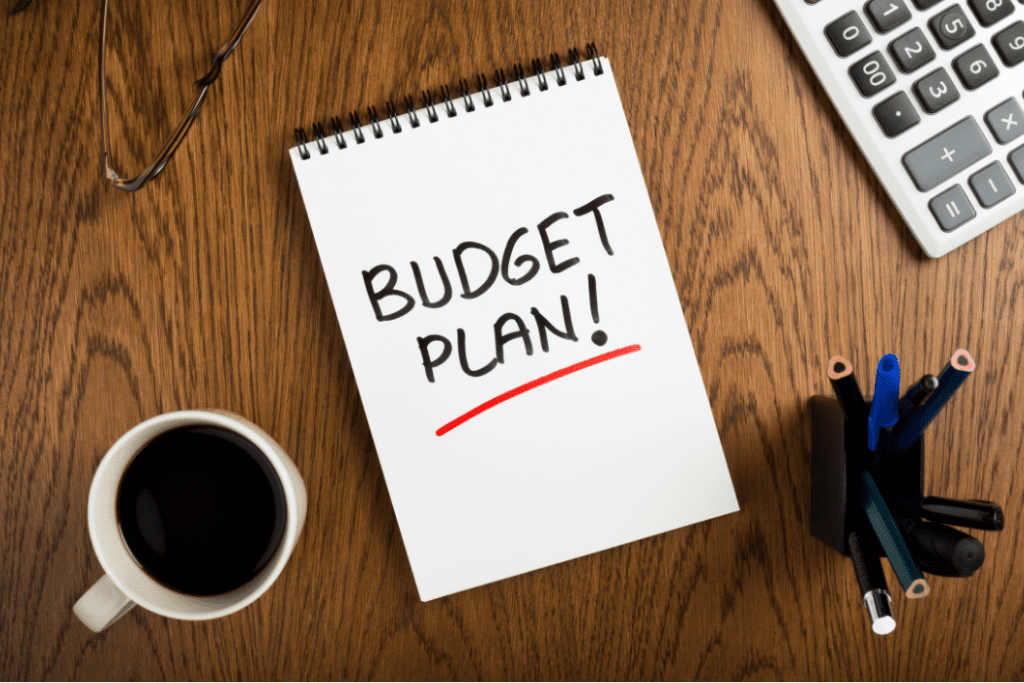
As homeowners associations (HOAs) and board members step into the year ahead, effective budget planning is crucial. With economic fluctuations, rising costs, and evolving community needs, HOAs must adopt a strategic approach to ensure financial stability and community satisfaction. In this post, we provide practical tips and insights to help you create a successful HOA budget plan for 2025.
Review The Past Year’s Performance
Analyze your HOA’s financial performance over the past few years. Look at income and spending trends, areas of overspending or underspending, and reserve fund usage. Reviewing past data clarifies your HOA’s financial health and reveals trends to avoid or replicate. Catch the opportunity to take notes on what can be improved.
However, if you’ve never created a budget and don’t have records to review, don’t worry—move on to the next step.
Set a Timeline For Your HOA Budget Plan
Setting stages and a clear timeline for your budgeting process is essential. It helps shed light on ideas, keeps everyone on track, and ensures board members meet deadlines. Here’s an example timeline:
- Initial review of the past year.
- Gather for board member’s inputs.
- Prepare a first draft budget using our Budget Calculator.
- Present to the board members for them to review and revise.
- Assemble for the community approval.
- When approved, share the plan and make it available to community members.
Create a Comprehensive Expense List
Accurate expense forecasting is essential for a healthy HOA budget plan. Create a detailed list of anticipated expenses to effectively manage your community’s finances. Consider these categories:
Fixed Expenses
These are regular, predictable costs that remain relatively stable. Examples include:
- Insurance premiums
- Staff salaries
- HOA software subscriptions
- Janitorial services
Variable Expenses
These costs can fluctuate depending on factors like usage, seasonality, or unexpected events. Examples include:
- Utilities (electricity, water)
- Landscaping
- Repairs and maintenance
Reserve Fund Contributions: Don’t forget to factor in regular contributions to your reserve fund to cover long-term maintenance and repairs.
Use our Budget Calculator to simplify the budgeting process
To help you in this budgeting process, use our Budget Calculator, which simplifies your HOA financial life, with a free and easy-to-use spreadsheet planner. This powerful tool allows you:
- Organize and calculate fixed, variable, and extra expenses.
- Visualize costs with intuitive pie charts for precise analysis.
- Plan to reserve funds for future repairs and projects with precision.
- Stay on top of your community’s financial health effortlessly.
- Ensures transparency and more intelligent financial decision-making.
Build a Strong Reserve Fund
Reserve funds are critical for addressing unforeseen expenses like emergency repairs or replacements. Here’s how to strengthen your reserve:
- Conduct a reserve study to determine if your current savings are adequate.
- Allocate a percentage of monthly dues specifically to the reserve fund.
- Prioritize these contributions over optional expenditures.
HOAs with healthy reserves can meet community needs without imposing sudden special assessments.
Modernize Your HOA’s Financial Management
As your community grows, so do your financial responsibilities—leverage technology to streamline your budgeting process and gain greater control over your HOA’s finances. Beyond budgeting, Neigbrs by Vinteum offers a comprehensive platform that simplifies your HOA, Condo, and Property management:
- Communication Features: Text Messaging, Community Notices, Virtual Meetings, Smart Calls, Email Log Messaging.
- Management Features: Service Requests, Asset Management, Amenity Reservations, Reception, Incident Reporting.
- Document Storage Feature: File upload, Data Management, Calendar. Resident Database, Document Organization.
- Seamless QuickBooks Integration: Neigbrs now integrates with QuickBooks Online, providing advanced accounting capabilities and simplifying financial reconciliation.
- Clear Financial Reporting: Generate detailed financial reports with just a few clicks, giving you a clear picture of your HOA’s economic health.
- Streamlined Budgeting: Create and easily manage your annual budget, track expenses, and forecast future needs.

Stay Compliant with Laws and Regulations
State and federal regulations often impact HOA budgets. Work closely with your legal or financial advisors to comply with the law and protect your association from legal and financial penalties. As a HOA manager and for your budget, you need to:
- Understand tax obligations.
- Ensure compliance with reserve fund requirements.
- Navigate any changes in HOA governance laws.
Final Thoughts
A successful HOA budget plan isn’t just about balancing income and expenses—it’s about fostering financial stability and building a strong community. By reviewing past performance, forecasting and listing expenses, creating a reserve fund, and planning for future investments, your HOA management will be more seamless and efficient.
However, financial health is just one pillar of a well-run HOA. The true foundation lies in cultivating an engaged community and maintaining efficient organization. To support these goals, Neigbrs by Vinteum is a powerful solution that helps streamline day-to-day operations, improve communication, and strengthen community engagement.

With Neigbrs, managing your HOA becomes more than just a financial task—it’s an opportunity to foster stronger connections between residents and board members, enhance transparency, and simplify decision-making.
Request a free demo today and discover how Neigbrs can help your HOA become more organized and connected.
Frequently Asked Questions
What is an HOA budget plan and why does every association need one?
An HOA budget plan is a formal annual financial document that projects your association’s expected income and expenses for the coming year, covering operating costs, reserve fund contributions, and any planned capital improvements. Every association needs one because it is the primary tool used to set homeowner dues at a fair and defensible level, and because most state statutes governing community associations legally require boards to adopt an annual budget before the fiscal year begins. Without a written budget, boards have no documented basis for financial decisions, which exposes them to homeowner disputes, legal liability, and the risk of running out of funds mid-year.
When should an HOA board start the budget planning process?
An HOA board should start the budget planning process at least 90 days before the new fiscal year begins, giving the board enough time to review past performance, gather vendor bids, consult with committee members, and present the draft to homeowners for community approval before it takes effect. Vinteum recommends a phased timeline that includes an initial review of prior-year financials, a first draft using a budget calculator, a board revision session, and a final community approval meeting followed by plan distribution to all residents. Starting late compresses every one of these stages, which leads to rushed expense estimates, missed cost categories, and budgets that require a corrective special assessment within the first few months.
What expense categories must be included in an HOA budget plan?
An HOA budget plan must include three core categories: fixed expenses, variable expenses, and reserve fund contributions. Fixed expenses are predictable and stable, covering items like insurance premiums, staff salaries, HOA software subscriptions, and janitorial services; variable expenses fluctuate based on usage, season, or unexpected events and include utilities, landscaping, and repairs and maintenance. Reserve fund contributions should be treated as a non-negotiable line item calculated through a formal reserve study, not an optional extra that gets added only if money is left over.
What is a reserve fund and how much should an HOA contribute to it?
A reserve fund is a dedicated savings account that an HOA maintains to cover major future repairs and replacements of common area components such as roofs, elevators, roads, and shared facilities. Boards should conduct a reserve study to determine whether current savings are adequate and then allocate a percentage of monthly dues specifically to reserves, prioritizing those contributions over optional expenditures. Industry experts note that HOAs with healthy reserves can address community needs without imposing sudden special assessments, which are widely considered one of the most damaging events for homeowner trust and board credibility.
What is the biggest budgeting mistake HOA boards make?
The biggest budgeting mistake HOA boards make is underestimating variable expenses and deprioritizing reserve fund contributions in an attempt to keep dues artificially low, which creates a cycle of deferred maintenance and emergency special assessments. Many boards also fail to review past financial performance before drafting a new budget, which means they repeat the same overspending or underspending patterns year after year without realizing it. If you have never created a budget before and have no historical records to review, Vinteum recommends skipping the review step and proceeding directly to setting a budgeting timeline rather than delaying the process altogether.
How do state and federal laws affect HOA budget planning?
State and federal regulations directly affect HOA budget planning by imposing requirements around reserve fund minimums, budget adoption deadlines, homeowner notification procedures, tax obligations, and audit thresholds that vary from state to state. HOA boards are advised to work closely with legal and financial advisors to understand their tax obligations, ensure compliance with reserve fund requirements, and navigate any changes in HOA governance laws before finalizing the annual budget. Failing to comply with these requirements can expose the association to legal and financial penalties that are far more costly than the professional advisory fees required to avoid them.
How does a budget calculator make the HOA budgeting process easier?
A budget calculator makes the HOA budgeting process easier by providing a structured spreadsheet that organizes fixed, variable, and additional expenses into separate categories, performs calculations automatically, and visualizes cost allocations through pie charts that boards can share with homeowners during approval meetings. Vinteum’s free Budget Calculator is designed specifically for community associations and allows boards to plan reserve fund contributions with precision, stay on top of financial health effortlessly, and ensure transparency and more intelligent financial decision-making across the entire board. Without a purpose-built tool, boards typically work from inconsistent spreadsheets maintained across multiple versions, which introduces reconciliation errors and makes year-over-year trend analysis unreliable.
How can HOA management software improve financial oversight beyond budget season?
HOA management software improves financial oversight beyond budget season by centralizing dues collection, expense tracking, service requests, and financial reporting in one platform that every authorized board member can access at any time from any device. Neigbrs by Vinteum generates detailed financial reports with just a few clicks, integrates natively with QuickBooks Online to eliminate manual data entry and simplify financial reconciliation, and maintains a real-time record of maintenance requests and vendor activity that feeds directly into the next budgeting cycle. Financial health is just one pillar of a well-run HOA, and a platform like Neigbrs supports the others too, including resident communication through text messaging, smart calls, and community notices, and operational management through amenity reservations, incident reporting, and document storage.