
Interested in the benefits of having an HOA pool? Wondering how to improve community engagement with your pool? You’ve come to the right place.
HOA pools are essential amenities that contribute to community life. In this article, we’ll delve into their benefits and practical strategies for optimizing their use within your community.

Main challenges
Common amenities like those found in an HOA can be enjoyable. However, ensuring they function smoothly requires a lot of work. Here are some typical challenges you could face dealing with HOA pool:
Regulation
Creating regulations for common amenities can be challenging due to the need to address various topics such as conduct, access, safety, and more. These regulations must align with state laws and pre-existing HOA documents. Consulting with an attorney can help ensure compliance and prevent potential issues.
Transparency
In that way, transparency is a crucial trait for the HOA board. While it might seem challenging, being honest—even about issues that are less favorable—strengthens the relationship with residents. Open communication builds trust and demonstrates a commitment to accountability within the community.
An effective approach is to transparently report the necessary costs to maintain the pool, such as lifeguards, cleaning, and repairs. This helps demonstrate the financial requirements for keeping the pool operational while fostering transparency within the community.
How to highlight HOA Pool benefits
Keeping residents interested in HOA amenities is crucial because it encourages community engagement. A great strategy to boost interest in the HOA pool is to highlight its key benefits. There are several effective approaches you can take:
Higher quality of life
This approach underscores the positive impact of the pool on residents’ well-being and enjoyment. For example, if your HOA has many families with children, presenting the pool as an enjoyable place for them to create shared memories can be very effective.
Increase property value
You could start by referencing a study conducted by Porch, in 2020 on HOA Hidden Sentiments. According to their findings, 41% of residents choose to live in HOAs specifically to preserve property value.
Emphasizing this can demonstrate how the HOA pool contributes to maintaining and potentially increasing the overall value of residents’ properties. This information underscores the pool’s broader benefits within the community.
Sense of community
Spotlighting how the community pool enhances neighborhood interaction and fosters residents’ enjoyment is also a good approach. Thus, you showcase its significance beyond just a recreational amenity. This approach underscores the pool’s positive influence on neighborhood dynamics and residents’ well-being.
Key Factors to Remember for Your HOA Pool
Maintaining your HOA pool’s quality and ensuring it is well-used requires several essential steps. Additionally, there are opportunities for improvement that are sometimes overlooked. Let’s look at some of them:
Signs
One key aspect to consider is having signs. Implementing clear and visible signs facilitates effective communication with pool users about the rules and regulations.
Residents and guests might not be familiar with all the regulations. This way, your HOA could foster a safer and more enjoyable environment for everyone.
There are some states that require specific signs for pools. It is important to check with a lawyer to ensure that your HOA is compliant with the law.
You can access free printable signs for your HOA’s pool and other common areas by clicking below.

Seasonal Maintenance
Another important step to keep your pool in good condition is preparing it for each season. Before opening it to residents and guests, it is important to:
Do safety inspections
Some states require inspections by an accredited certifier to ensure pool safety certification. You should hire a professional for this purpose.
In addition to mandatory inspections, conducting regular check-ups can also help. This way, you could avoid costly repairs on pool equipment and verify water quality.
Set the workers schedules
Common workers at HOA pools include lifeguards, janitors, and cleaners. This requires advance scheduling to prepare for their shifts.
During the busy summer season, when there’s high demand for lifeguards, it can be challenging to find available staff for your pool. To ensure you have the necessary team, it could be useful to approach professionals months before the peak season begins.
Additionally, providing a pre-set schedule in advance can be beneficial for lifeguards to plan and prepare for their responsibilities effectively. This proactive approach helps secure reliable staff and ensures readiness for the summer rush at your pool.
After the pool season has passed, there are other essential steps to take to maintain your pool in good condition during the colder months.
Regardless of whether your region experiences freezing temperatures, there are certain essential tasks that cannot be overlooked. Let’s explore some of them:
Pool cover
While it might seem basic, a pool cover is actually an essential item. It serves the crucial purpose of preventing external elements, such as leaves and branches, from falling into the water. It also acts as a barrier against UV rays, which can stimulate bacterial growth in the pool.
Prevent equipment freezing
Cold weather affects not only the water but also the pool equipment. During these times, it is common to use heaters, but each case is unique. Consulting a specialist can help you find the best fit for your HOA pool’s needs.
Water treatment
As pool usage decreases, it is important to adapt the water treatment accordingly. Also, in freezing climates, using a specific product to protect your water in winter could be crucial for HOAs. Fortunately, there are companies that can provide these products for you.
How to increase pool usage
One of the keys to increasing pool usage within your HOA is to ensure good communication with residents. Keeping them informed about pool hours, and exceptional closures, can significantly increase participation.
Communicate efficiently
Another effective strategy is promoting the improvements made to the pool facilities. This not only increases residents’ interest but also demonstrates transparency about the work being done by HOA board members.
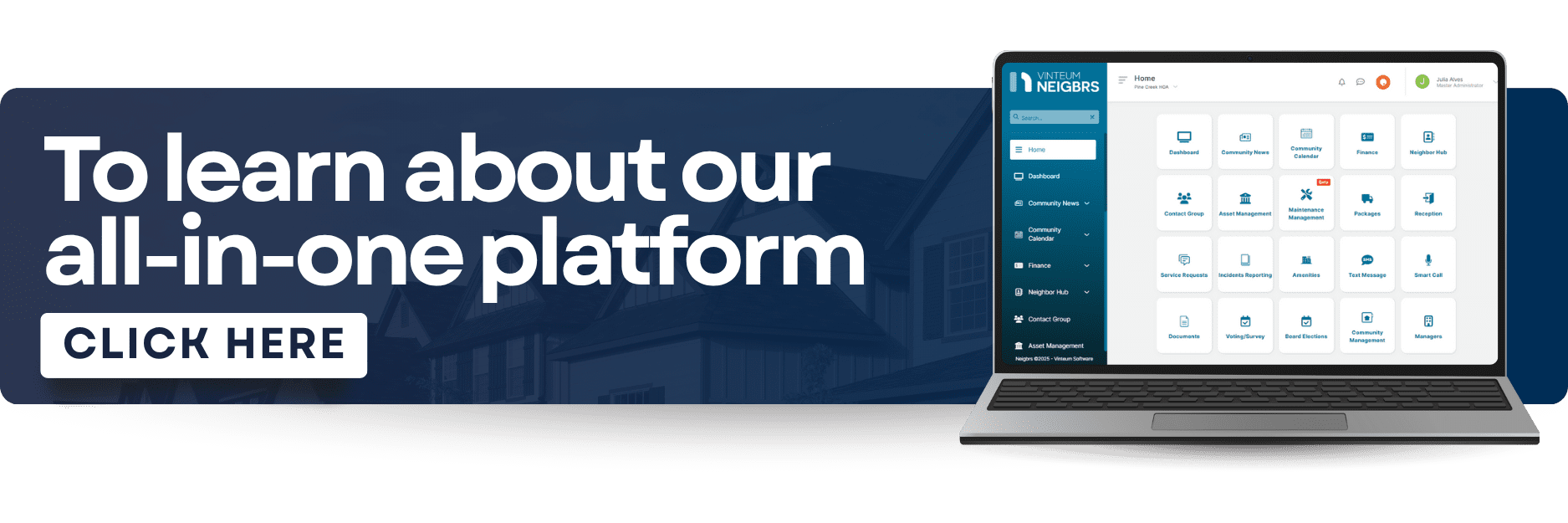
The software Neigbrs can be particularly useful for HOA communication. It is an all-in-one tool that enables you to send push notifications, text messages, and emails to all your residents with just a few clicks.
Use a reservation system
An HOA Amenities Reservation System is a handy tool for residents to book HOA pools and other amenities online. The board of directors sets rules and adds amenities to the system. It makes managing and approving reservations easy and ensures everyone gets a fair shot at enjoying the community’s facilities. Watch the video below to learn more about our amenities reservation system.
Host Pool Activities and Events
Another creative idea to increase pool usage is to promote events. For example, you could start by promoting pool parties to celebrate the beginning of summer or the 4th of July.
Additionally, you could consider promoting aqua Zumba class, which is a dance class conducted on water. Another option is a water aerobics class, involving exercises performed underwater. These are particularly beneficial for elder communities.
Frequently Asked Questions
What is an HOA pool?
An HOA pool is a shared swimming pool owned and operated by a homeowners association for the exclusive use of its residents and their approved guests. The association is responsible for funding, maintaining, insuring, and setting the rules for the pool through its governing documents. The HOA board of directors manages day-to-day pool operations, from seasonal opening and closing to lifeguard scheduling and water treatment.
What are the main benefits of having a pool in an HOA community?
The main benefits of having a pool in an HOA community are higher property values, improved quality of life, and stronger community engagement. According to the 2022 Homeowner Satisfaction Survey by the Foundation for Community Association Research, 89% of HOA homeowners say their association’s rules protect and enhance property values, and well-maintained amenities like pools are central to delivering on that promise. Beyond finances, a community pool gives families, seniors, and neighbors a shared space to gather, which reduces isolation and increases residents’ satisfaction with their community. For boards, a well-used pool also demonstrates that dues are delivering real, visible value.
Why do some HOAs not allow private pools?
Some HOAs do not allow private pools because the governing documents, typically the CC&Rs, prohibit structures that could alter the community’s appearance, create drainage issues, or raise shared liability risks. Boards enforce these restrictions to protect property values, maintain aesthetic consistency, and reduce insurance exposure for the association as a whole. If you want to install a private pool, you must submit an architectural modification request and receive board approval before breaking ground; proceeding without approval is one of the most common HOA violations and can result in fines or a mandatory removal order.
What rules should an HOA pool have?
An HOA pool should have rules covering hours of operation, guest policies, age or supervision requirements, prohibited behaviors, dress code, and emergency procedures. Clear, visible signage is not optional since some states legally require specific pool warning signs, and consulting an attorney to verify your signage complies with local law is a necessary step. Rules must also be written in neutral, non-discriminatory language that does not single out residents based on age, familial status, or any protected class under the Fair Housing Act. Posting rules at the pool entrance and distributing them digitally through a community platform ensures residents have no excuse for not knowing them.
What are the legal and compliance requirements for an HOA pool?
The legal and compliance requirements for an HOA pool include state-mandated safety inspections, water quality standards, required signage, and compliance with the federal Fair Housing Act. In California, for example, HOAs with 25 or more units must test pool water chemistry daily and maintain testing logs for at least two years under 22 CCR 65523(a). The Fair Housing Act prohibits pool rules that discriminate based on familial status, disability, or other protected characteristics, so age-based restrictions like “no children under 14 without an adult” can expose an HOA to federal liability if not drafted carefully. Working with a licensed attorney to review your pool rules and signage before each season is the safest approach.
How often does an HOA pool need to be maintained?
An HOA pool needs to be maintained on a daily, weekly, monthly, and seasonal schedule to stay safe and compliant. Daily tasks include testing chemical levels and checking skimmer baskets; weekly tasks involve inspecting pumps, filters, and heaters; and seasonal tasks include full safety inspections, equipment winterization, and water treatment adjustments for colder months. You can use an HOA spring checklist to make sure nothing is missed before opening the pool each year. Reactive maintenance, meaning waiting until something breaks, costs significantly more than preventative maintenance and can force unexpected pool closures that frustrate residents.
What is the most common mistake HOA boards make when managing a pool?
The most common mistake HOA boards make when managing a pool is failing to communicate proactively with residents about hours, closures, and rule changes. Boards often assume residents will check posted signage, but without direct digital notification, residents show up to a closed pool or break rules they were never clearly told about. Having a clear HOA communication plan is essential to keeping residents informed before issues arise. Sending push notifications or emails through a community communication platform whenever pool hours change or maintenance is scheduled takes minutes and eliminates most of these friction points.
How can HOA software help a board manage a community pool?
HOA software can help a board manage a community pool by centralizing reservations, automating resident notifications, and giving the board a transparent record of pool usage and maintenance. A dedicated amenity reservation system lets residents book pool time online, while the board sets occupancy limits, blackout dates, and approval rules without phone calls or manual tracking. Platforms like Neigbrs by Vinteum allow the board to send push notifications, emails, and text messages to all residents in one click, so communicating a sudden pool closure or a new rule update takes seconds rather than hours. For boards managing the pool on volunteer time, this kind of automation is the difference between a pool that runs smoothly and one that generates constant complaints.
Wrapping up on HOA pools
A pool is a great addition to your HOA that brings residents closer and makes the community more enjoyable. However, to ensure that all residents can easily enjoy the pool, it’s essential to establish a consistent communication and a reservation system.
You can rely on Neigbrs to assist with this. Get your free demo by clicking below.