




Have you ever thought about whether or not you should move into a homeowners’ association? It’s a very common question, and it’s crucial to consider the pros and cons of joining a homeowners’ association, or an HOA. Finding out the best and the worst parts of being in an HOA can save you a lot of time, money, and stress.
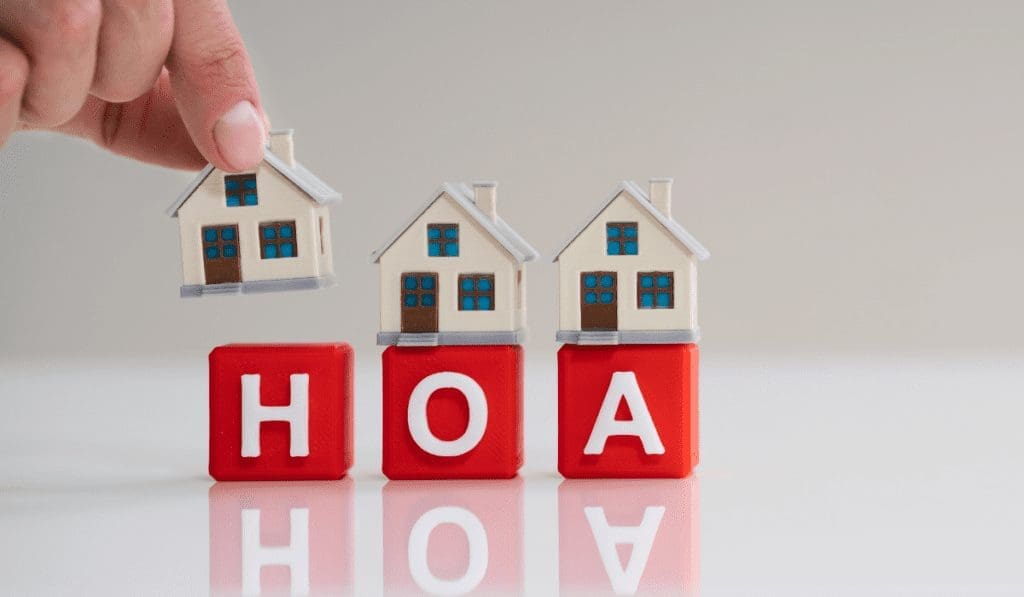
This is why, in this article, we will tell you all about the homeowner’s living experience: the good and the bad.
Homeowners Association Pros And Cons: The Good
Living in an HOA can bring several benefits to you, including access to activities, socializing with neighbors, and not having to look after things that are outside your property lines, among many others!
1. You don’t have to take care of things outside your property
One of the best things about living in an HOA is that you don’t need to worry about keeping everything nice and organized – the board of directors takes care of that for you! Electrical issues, repairing structures, trash, painting/cleaning exteriors, snow removal, lawn and landscape maintenance, are all things that an HOA looks after in the common areas.
2. You have access to various amazing amenities
Many people who don’t live in HOAs spend a lot of time going to the gym or a restaurant. In a community, however, you most likely already have them as part of the HOA. You can enjoy various spaces with more accessibility and without the need to upkeep them. This is a great pro of living in an HOA, as it’s a lot more convenient, and you can socialize with your neighbors more easily.
3. Your property values go up
Your house’s value increases in an HOA. If you decide to sell your home, you could sell for approximately 4%(2019) more than you could living outside an HOA, as it creates a more aesthetically pleasing landscape, takes care of many home units, offers emergency services, and enforces rules and regulations.
4. Your problems are easily fixed
If you face issues or problems with your neighbors, such as them playing music loudly, you can easily report this to the board of directors, and they’ll take it from there. Not only this, but HOAs can include safety monitoring to ensure you’ll be safe from intruders, thieves, and any security-related problems you might have.
5. You feel a sense of community
In an HOA, you can socialize with your neighbors and form friendships with those around you, creating a sense of community. It is also really common for HOAs to host events like Halloween, Christmas, and senior parties, all of which you can participate in. Not only this, but you can also volunteer with your board or on a committee and help other residents feel more welcome in your association.
Homeowners Association Pros And Cons: The Bad
Despite Homeowner Associations having various pros, they also have their fair share of cons: expenses, limitations, and poor management are all things that can deter a person from wanting to live in an HOA.
1. They are expensive
One of the main drawbacks of HOAs is the price. HOA fees are mandatory and can be expensive. This is due to having to pay for maintenance, employees, and reserve funds for emergencies (such as natural disasters). So, in addition to the house prices, the monthly or quarterly payments can be a burden for buyers.
2. They have limitations
One of the biggest causes of complaints around HOAs is the number of restrictions set by the community. Some people don’t have any problems with the rules. But others find it particularly disturbing the amount of limitations they have towards doing what they want with their own property. Some HOAs, for example, have a limited color palette that a resident can choose from to paint their house.
3. They might be badly managed
Unfortunately, the board that runs the community can sometimes be unprepared, unprofessional and lead to disorganization and miscommunication within the HOA. One of the biggest issues that a poorly managed community faces are repairment problems, or large projects that cost a lot and mean a raise in HOA dues.
4. The HOA Board might have too much power
Some board members can abuse their power while enforcing rules that are way too restrictive and can make homeowners uncomfortable. This is because, since residents take part in the board member position, it can lead them to be biased towards certain issues. They could implement rules for their own benefit or for the burden of others, for instance.
5. There is a risk of a lien or foreclosure
As mentioned above, you have to follow the community guidelines, but what happens if you don’t? Well, you are then fined and, if you can’t or don’t pay, your house will be put on lien or foreclosure – meaning you have the chance to lose your property. This usually happens if you don’t pay your HOA fees.
Managing a homeowners’ association can be challenging — from keeping residents informed to ensuring smooth operations and transparency. That’s where Neigbrs by Vinteum comes in. Our all-in-one software helps HOA boards simplify communication, boost resident engagement, and manage daily tasks with ease.
Want to see how it works? Request a free demo and discover how your HOA can thrive with the right tools.

Final Points On Homeowners Association Pros And Cons
As you could see, there are pros and cons to consider when you move into a homeowners’ association. It is very important that you make sure you are comfortable with all the rules and regulations enforced in the community, so you can enjoy all the benefits it can provide.
If you want to learn more about HOAs and what they do, download our free e-book on how community associations work. Learn what to have on your community website and all the benefits it can provide!

Frequently Asked Questions
What is a Homeowners Association (HOA)?
A Homeowners Association is a legal entity that governs a residential community and enforces rules for properties within it. It is typically established by a developer when creating a planned subdivision or condominium complex, and once you purchase a home in the community you automatically become a member and are bound by its rules. The association is run by an elected board of residents who make decisions on community policies, shared maintenance, and budgets.
What are the main advantages of living in an HOA community?
The most commonly cited advantage is that the association handles exterior maintenance and landscaping, relieving individual homeowners of those responsibilities. Beyond that, residents gain access to shared amenities such as pools, fitness centers, and clubhouses that many could not afford individually. HOA communities also tend to sell at a premium of roughly 4 to 6% above comparable non-HOA homes because enforced aesthetic standards protect the neighborhood’s overall appearance. A less obvious but real benefit is that the board acts as a neutral mediator for neighbor disputes, offering a formal process instead of direct confrontation.
What are the main disadvantages of living in an HOA community?
The most immediate drawback is the cost: monthly dues are mandatory and non-negotiable, typically ranging from $200 to $300 per month depending on location and amenities offered. Beyond regular fees, boards can impose special assessments at short notice when major repairs arise and reserve funds fall short, leaving homeowners with unexpected lump-sum bills. Restrictive rules can also limit how you modify your own home, from paint colors to structural additions, which can feel burdensome if your needs change over time. Finally, because boards are often run by volunteers, governance quality varies widely and poor management can erode both community standards and property values.
Can an HOA foreclose on my home?
Yes, in certain states an HOA has the legal power to place a lien on your property for unpaid dues or fines, and in some jurisdictions that lien can escalate to foreclosure even if your mortgage payments are current. Fines that seem minor at first can compound quickly if a violation goes unresolved, so it is critical to review the governing documents and your state’s specific HOA laws before purchasing.
What are special assessments and how can I prepare for them?
Special assessments are one-time charges levied by the board when the HOA’s reserve funds are insufficient to cover a major unexpected expense, such as road repaving, roof replacement on shared structures, or storm damage repair. Homeowners typically have limited time to pay once an assessment is announced, and failure to do so can result in a lien. Before buying into an HOA, request the association’s reserve fund study and recent financial statements to gauge how likely a special assessment is.
Do HOA rules hold up legally?
Yes. The rules are codified in the Covenants, Conditions and Restrictions (CC&Rs), which are legally binding documents every buyer agrees to at closing. Violations can result in written warnings, escalating fines, and in serious cases, legal action or a property lien.
How do HOAs affect property values over time?
Well-managed HOAs protect property values by enforcing exterior standards, maintaining shared spaces, and ensuring the neighborhood presents consistently well to prospective buyers. Research cites a value premium of around 4 to 6% over comparable non-HOA properties. That said, a poorly managed HOA can have the opposite effect, as deferred maintenance on common areas and inconsistent rule enforcement signal neglect to the market.
What should I check before buying in an HOA community?
Reviewing the board’s recent meeting minutes, the current financial statements, and the reserve fund health gives you a reliable picture of how well the association is managed. Talking to current residents about their day-to-day experience is equally valuable, as it surfaces issues that official documents may not show.
How can HOA boards run their communities more effectively?
Boards that invest in dedicated management software reduce administrative overhead, keep communication transparent, and make it easier for residents to stay informed and engaged. Tools like Neigbrs by Vinteum centralize notices, voting, and maintenance requests in one place, helping volunteer boards operate with the consistency of a professional management company.


